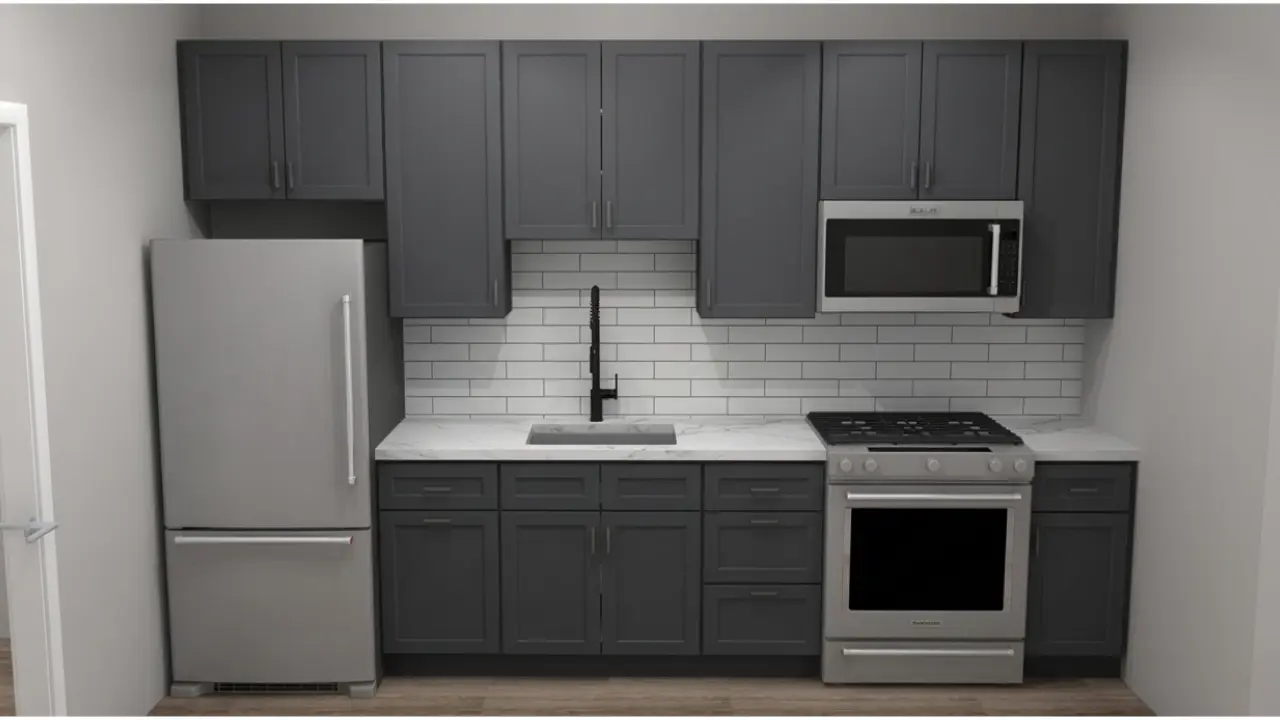
Kitchen cabinets influence nearly every part of daily kitchen life. They support storage, organize cookware, protect dishes, hold heavy appliances, and shape how the kitchen looks and functions. Yet many homeowners focus mainly on cabinet color or door style while overlooking one of the most important details of all, the material hidden beneath the surface.
When people begin researching kitchen remodeling ideas or exploring Buy Cabinets discussions, they often encounter two common cabinet construction materials: plywood and particleboard. At first glance, cabinets made from these materials may look nearly identical from the outside. Both can feature attractive finishes, modern hardware, and stylish door designs. However, the internal material structure can affect durability, moisture resistance, structural stability, installation performance, and long term maintenance.
Many homeowners researching cabinet construction through RTA Cabinets Ohio discover that understanding material differences helps prevent future frustration. Cabinets experience constant stress from weight, humidity, opening and closing, spills, heat, and years of daily use. The material used inside cabinet boxes often determines how well the cabinets handle those challenges over time.
Cabinets are not decorative shells alone. They are working structures that support substantial daily activity. Every drawer opening, heavy cookware stack, or accidental spill places stress on cabinet components.
A kitchen may look beautiful immediately after remodeling, but poor material choices can lead to sagging shelves, swelling panels, loose hinges, and deteriorating surfaces years later.
Cabinet material affects:
These factors become especially important in busy kitchens where cabinets experience heavy daily use.
Plywood is a manufactured wood product created by layering thin sheets of wood veneer together. Each layer is positioned with alternating grain directions before being bonded under heat and pressure.
This cross layered construction improves strength and stability.
The alternating grain structure helps plywood resist cracking, splitting, and warping. Instead of relying on a single wood direction, plywood distributes stress across multiple layers.
This design creates stronger panels capable of handling greater weight and repeated use.
In kitchen cabinetry, plywood is commonly used for:
Because of its layered design, plywood tends to remain more stable under changing humidity conditions.
Not all plywood is identical. Cabinet grade plywood typically features smoother surfaces and fewer internal voids compared to construction grade plywood.
Higher quality plywood generally provides:
The grade of plywood affects both performance and long term durability.
Particleboard is manufactured differently from plywood. Instead of layered veneers, particleboard uses compressed wood particles, wood chips, and resin adhesives.
These materials are pressed into flat sheets under heat and pressure.
Particleboard became popular because it provides a smooth, consistent surface suitable for laminates and veneers. It also allows manufacturers to use recycled wood materials efficiently.
Many cabinet systems use particleboard for:
Particleboard can perform adequately in controlled environments, but its limitations become more noticeable under heavy stress or moisture exposure.
One of the biggest differences between these materials involves structural performance.
Plywood distributes weight more effectively because of its layered grain structure. Shelves made from plywood generally resist sagging better over time, especially when supporting heavy cookware, canned goods, or countertop appliances.
This becomes particularly important in kitchens where cabinets hold:
Plywood shelves often maintain their shape longer under continuous weight.
Particleboard tends to be denser but less structurally resilient. Over time, heavy loads may cause shelves to bow or sag more easily.
Long unsupported spans create even greater sagging risks in particleboard shelving systems.
This does not mean all particleboard cabinets fail quickly, but they generally require more careful weight management over time.
Kitchens expose cabinets to constant humidity, steam, spills, and cleaning moisture.
Cabinets near sinks, dishwashers, refrigerators, and cooktops regularly encounter water exposure. Even small amounts of repeated moisture can gradually damage vulnerable materials.
Moisture damage may lead to:
The ability to resist moisture directly affects cabinet lifespan.
Plywood generally handles moisture better because its layered structure resists swelling more effectively.
Although plywood is not waterproof, it usually maintains structural stability longer after minor moisture exposure.
This makes plywood especially valuable near:
Proper sealing further improves plywood performance.
Particleboard is typically more vulnerable to water damage. When moisture penetrates the surface, compressed wood particles may expand and weaken.
Once swelling occurs, the material often cannot fully return to its original shape.
This is why moisture protection becomes extremely important for particleboard cabinets.
Cabinet material also affects installation handling.
Plywood cabinets are usually lighter relative to their strength. Installers often appreciate plywood because it balances durability with manageable weight.
Lighter cabinet structures may simplify:
This becomes especially important during large kitchen renovations.
Particleboard is often heavier because of its compressed density.
While the density may create a solid feel, the added weight can complicate installation slightly, especially for large upper cabinets.
Proper wall support becomes extremely important when installing heavy cabinet systems.
Cabinets constantly experience movement from doors, hinges, and drawer slides.
Weak screw retention can lead to:
These issues often appear gradually after years of use.
Plywood generally holds screws more securely because the layered wood fibers provide better gripping strength.
This improves long term stability for:
Strong screw retention helps cabinets maintain proper alignment longer.
Particleboard may hold screws adequately initially, but repeated stress can weaken connections over time.
If screws loosen repeatedly, the surrounding material may crumble or lose holding strength.
This can make repairs more difficult later.
Storage demands vary significantly between households.
Modern kitchens often store:
These heavy items place constant pressure on cabinet shelves.
Plywood shelves generally resist long term sagging more effectively. This helps cabinets maintain organization and appearance even under demanding storage conditions.
Thicker plywood shelves provide even greater durability.
Particleboard shelves may require additional support when holding heavy items over long spans.
Without reinforcement, gradual bending can occur over time.
Cabinets are long term investments in kitchen functionality.
Replacing cabinets is expensive and disruptive. Durable cabinet materials help reduce the likelihood of early deterioration.
Long lasting cabinets improve:
Material quality strongly influences how cabinets age.
Plywood generally handles long term stress better because of its structural flexibility and moisture resistance.
Well maintained plywood cabinets often remain stable for decades.
Particleboard cabinets may remain functional for many years in low moisture environments with moderate use.
However, exposure to repeated moisture or heavy stress may accelerate wear.
Interestingly, cabinet appearance alone rarely reveals the internal material.
Both plywood and particleboard cabinets may feature:
This means two visually identical cabinets may perform very differently internally.
Homeowners sometimes focus entirely on door style or color while ignoring cabinet core construction.
However, the internal material often affects long term satisfaction far more than decorative appearance alone.
Kitchens naturally produce environmental stress.
Cabinets face humidity from:
Even good ventilation cannot eliminate moisture completely.
Plywood generally tolerates changing humidity conditions more effectively than particleboard.
Particleboard may experience greater expansion risks when exposed to repeated moisture cycles.
Cabinet performance directly influences comfort and convenience.
Strong cabinet structures help maintain:
Poor structural performance can create constant small frustrations during daily kitchen use.
Loose or weakened cabinet components may create rattling, shifting, or wobbling over time.
Stronger cabinet materials often help kitchens feel more solid and stable overall.
Many cabinet buyers encounter confusing marketing language.
Not all particleboard is poorly made. Higher density particleboard with quality finishes can perform reasonably well under appropriate conditions.
Construction quality still matters significantly.
Plywood quality varies as well. Poorly manufactured plywood with internal voids or weak veneers may underperform despite using plywood construction.
Material quality and manufacturing standards both matter.
Many modern cabinets use combinations of materials.
Some cabinets use:
Manufacturers often combine materials to balance cost, appearance, and performance.
Different materials excel in different applications.
For example:
Understanding these combinations helps homeowners evaluate cabinets more accurately.
Material choice also affects maintenance needs. Cabinet material plays a major role in how easy kitchen storage systems remain to clean and maintain over time. Surfaces that resist moisture, support stable hardware, and handle daily wear more effectively often reduce long term maintenance problems in busy kitchens. Many homeowners researching low maintenance cabinets also compare construction materials carefully to improve durability, cleaning convenience, and overall cabinet performance for years to come.
Regardless of material, homeowners should:
Moisture prevention greatly extends cabinet lifespan.
Gentle cleaning products and regular inspection help preserve cabinet finishes and hardware.
Preventive maintenance reduces long term structural stress.
Every kitchen functions differently.
High traffic kitchens with heavy cooking activity may benefit from stronger moisture resistant cabinet construction.
Frequent use places greater stress on shelves, hinges, and cabinet frames.
Vacation homes or lightly used kitchens may place less structural demand on cabinetry.
Usage patterns help determine how critical certain material advantages become.
Cabinets affect kitchen satisfaction for years after installation.
Most cabinet problems develop gradually rather than immediately.
Minor issues like:
often emerge over time as materials respond to daily use.
Understanding cabinet materials helps homeowners make informed remodeling decisions instead of relying solely on appearance.
This is one reason many people researching Buy Cabinets remodeling projects spend time comparing construction methods before selecting cabinet systems.
Many homeowners exploring cabinet material discussions through RTA Cabinets Ohio discover that material quality affects not only durability but also daily convenience, storage efficiency, and long term maintenance comfort.
RTA Cabinets Ohio is dedicated to serving the diverse needs of the Parma community with high-quality RTA cabinets, including individuals residing in neighbourhoods like Parma Heights. With its convenient location near landmarks such as the John Petruska Park and major intersections like Brookpark Rd and Ridge Road (Latitude: 41.4200425, Longitude: -81.7360562), we help homeowners buy cabinets.
Get cabinets in Parma Heights Now
Call Us or Contact Us (216) 304-2020
Plywood and particleboard cabinets may appear similar on the surface, but their internal construction creates important differences in durability, moisture resistance, structural stability, and long term performance.
Plywood generally provides stronger screw holding power, better moisture resistance, improved shelf durability, and greater structural resilience under heavy use. Particleboard can still function effectively in certain environments, especially when properly manufactured and carefully maintained, but it may be more vulnerable to swelling and long term wear under demanding kitchen conditions.
For homeowners researching Buy Cabinets near Parma remodeling options, understanding cabinet core materials helps create smarter long term decisions. Cabinets influence storage, organization, workflow, maintenance, and overall kitchen comfort every single day.
As many homeowners exploring cabinet construction ideas through RTA Cabinets Ohio discover, the most important cabinet details are often hidden beneath the finish. Material quality shapes how cabinets perform long after the remodeling project is complete.
Plywood uses layered wood veneers for strength, while particleboard uses compressed wood particles bonded with resin.
Plywood generally resists moisture damage better and is less likely to swell after water exposure.
The layered grain structure of plywood distributes weight more effectively and improves long term stability.
Yes. Properly maintained particleboard cabinets can remain functional for many years, especially in lower moisture environments.
Cabinet material influences how securely screws hold hinges, drawer slides, and handles during repeated daily use.
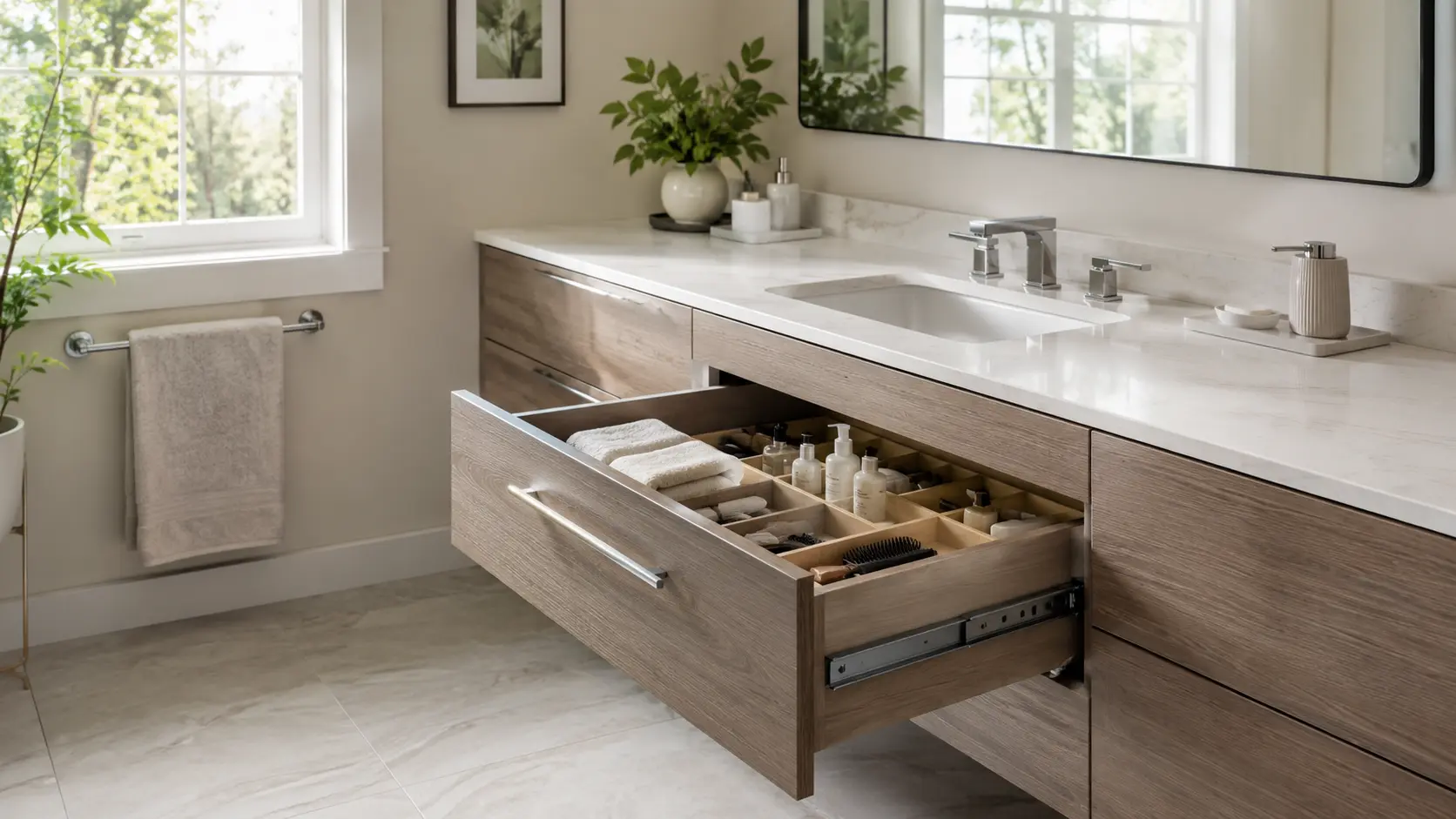
Soft-close bathroom vanity hardware improves daily use by making drawers and doors quieter, safer,
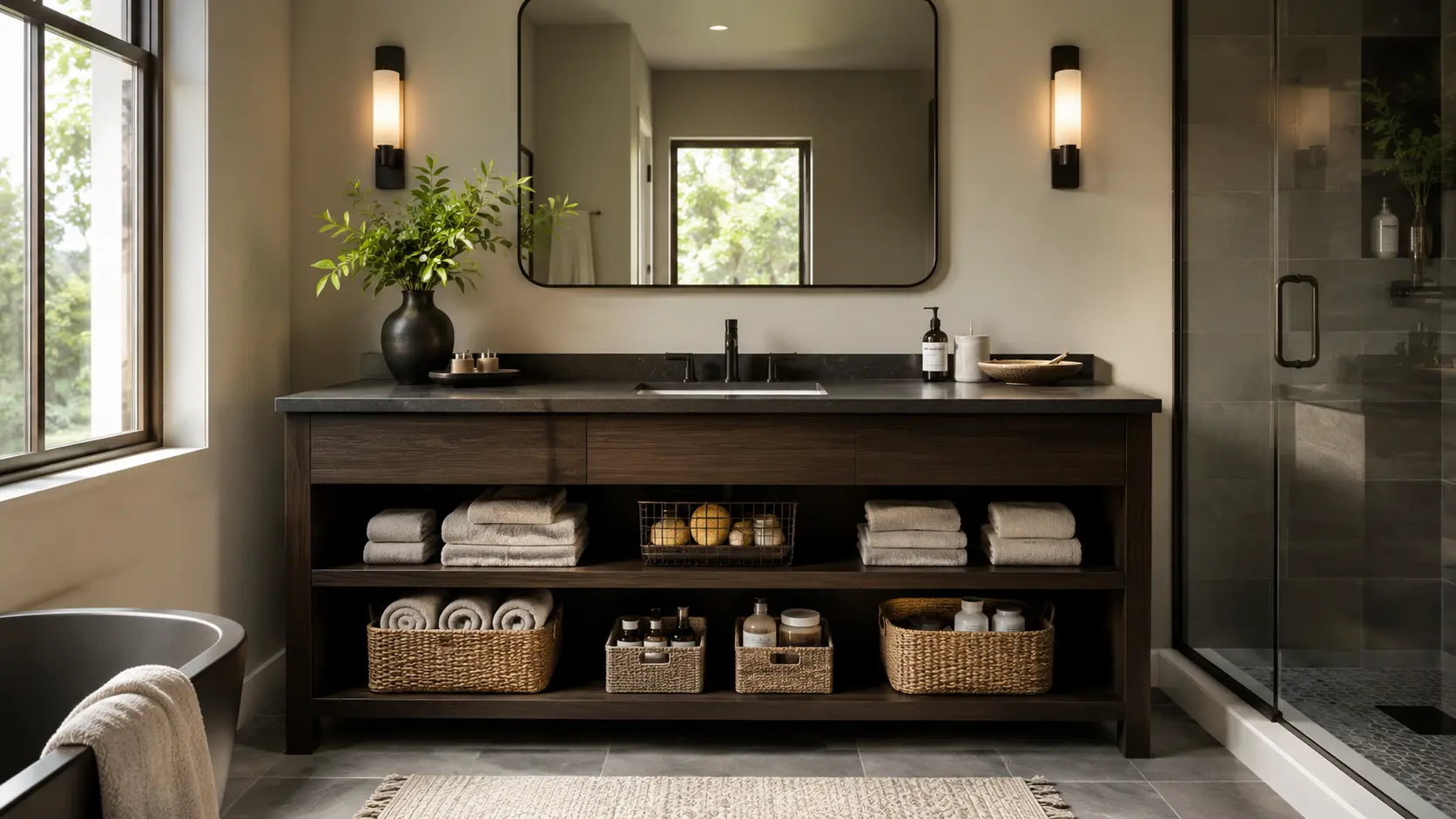
Open-shelf bathroom vanities influence storage and organization by making everyday items more visible, accessible,
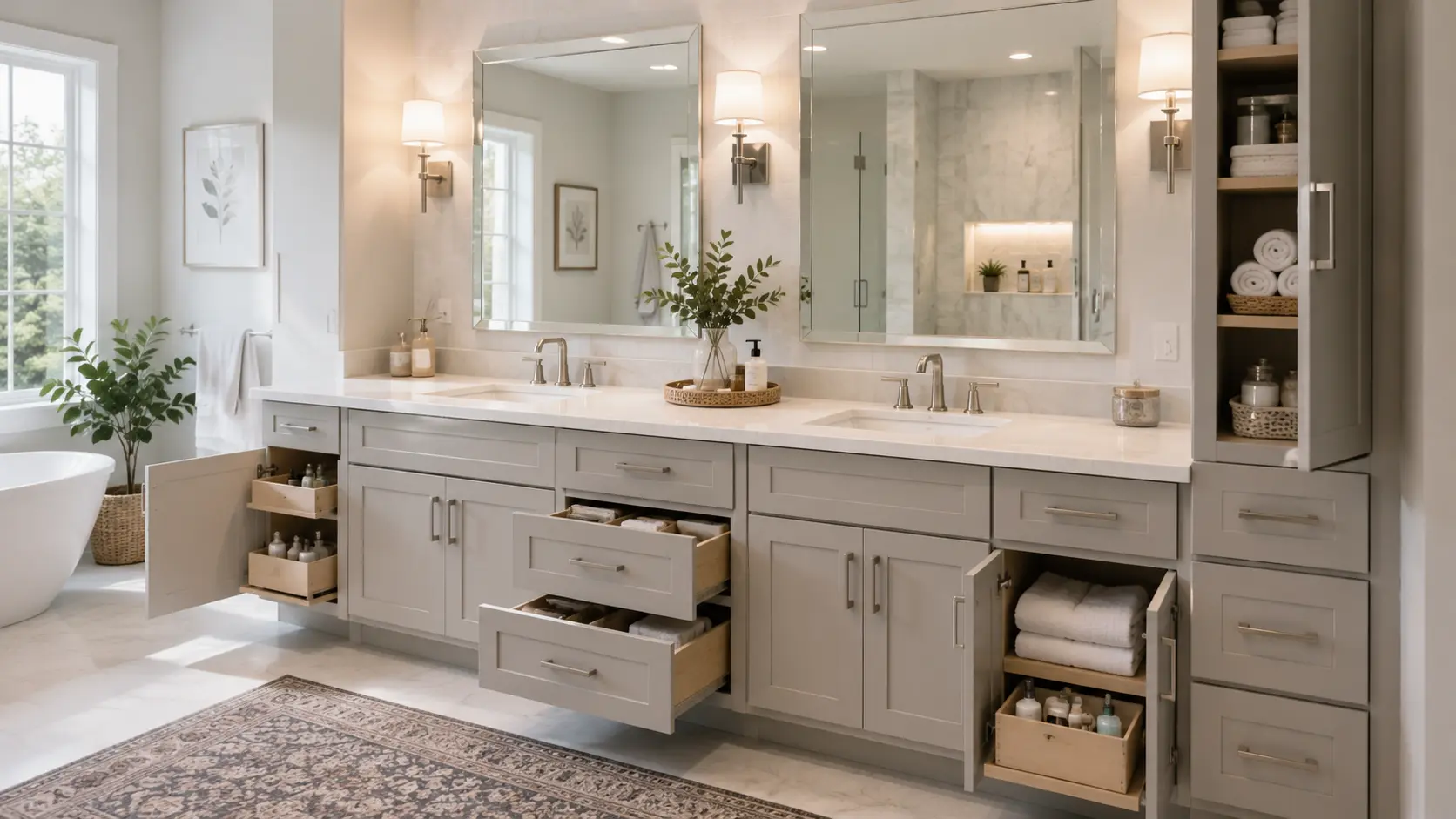
The right bathroom cabinets create more usable space around high-use vanities by keeping everyday
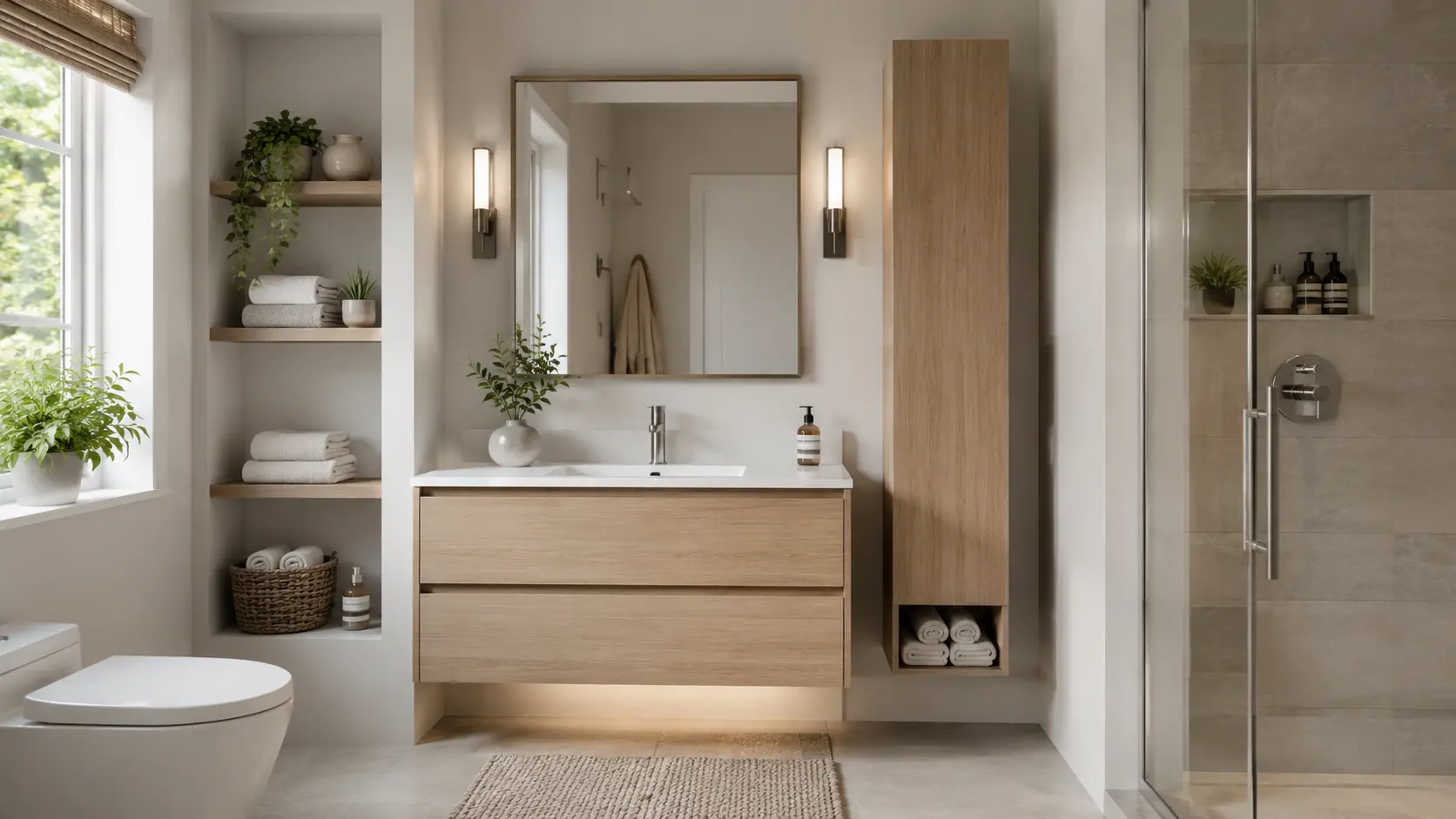
The bathroom cabinets that work best in bathrooms with limited wall space are floating
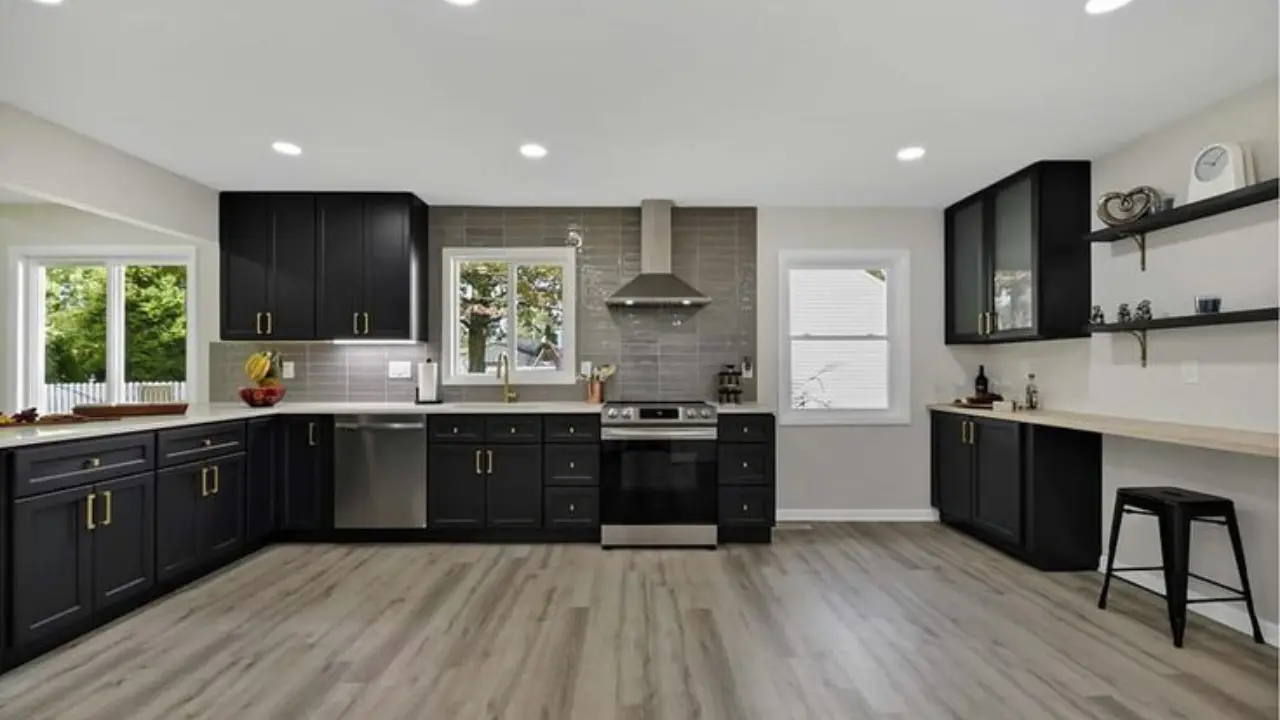
Cabinets and flooring are like the two main instruments in a kitchen design. One
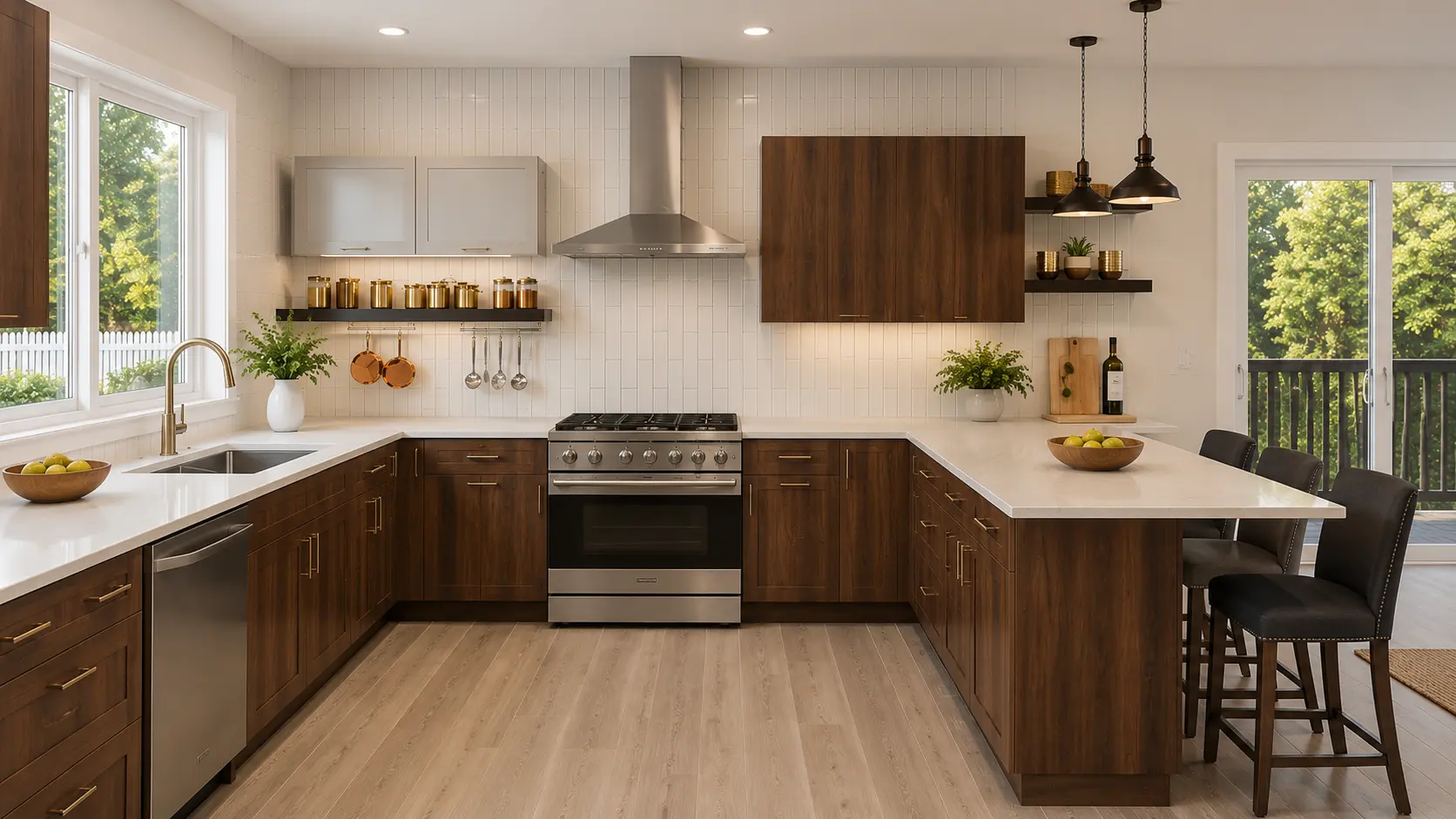
A kitchen used by one person can be simple to plan. One cook moves
Your dream kitchen shouldn’t wait. We partner with leading financing providers to make your project more affordable. Split your purchase into manageable monthly payments that fit your budget, so you can start your renovation now.
Receive a custom pricing offer based on your project scope.
Get access to specialized account management.