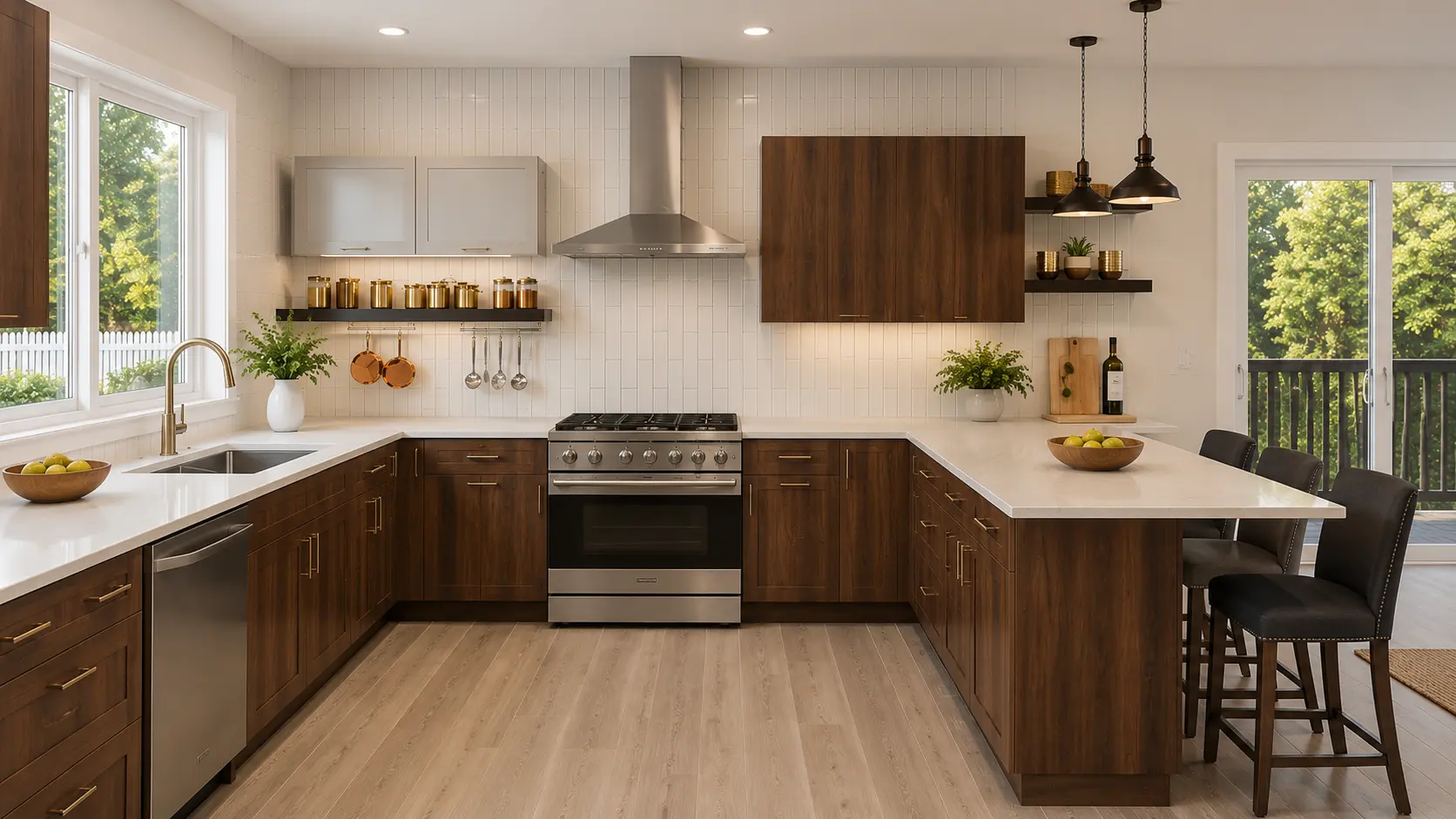
A kitchen used by one person can be simple to plan. One cook moves from the refrigerator to the sink, from the sink to the prep counter, then to the stove. The rhythm is easy to understand. But a multi-cook kitchen is different. Two, three, or even four people may be chopping, washing, cooking, baking, unloading, serving, and cleaning at the same time. Suddenly, the kitchen is not just a room. It becomes a busy intersection.
That is where cabinet planning becomes important. Cabinets are not only storage boxes. They decide where tools live, where food is prepared, where dishes are placed, how drawers open, how people pass each other, and how smoothly the kitchen works during real life. A Kitchen Cabinet Store near Parma can be understood in this informational context as a place where cabinet sizes, cabinet types, layout options, samples, and design concepts can be studied before a kitchen plan is finalized.
This article uses RTA Cabinets Ohio as a business name within the broader topic, but the purpose here is purely educational. The focus is not on buying cabinets. It is on understanding how cabinet planning helps create a kitchen where more than one cook can work without bumping elbows, blocking drawers, or turning dinner prep into a traffic jam.
A standard kitchen often assumes one main user. A multi-cook kitchen needs to support shared movement. That means more attention must be given to zones, clearances, cabinet access, appliance placement, and storage logic.
Think of a multi-cook kitchen like a small restaurant kitchen inside a home. It does not need commercial equipment, but it does need a sensible flow. One person may be washing vegetables while another is cooking pasta. Someone else may be setting the table or packing lunches. Good cabinet planning helps each person work without constantly saying, “Can you move for a second?”
Many kitchen problems begin when too many tasks are forced into one small area. For example, the sink may be used for washing vegetables, draining pasta, cleaning dishes, filling pots, and rinsing hands. If all prep tools, trash, dish storage, and dishwasher access are also in that same zone, congestion happens quickly.
The same issue can happen near the stove. If pots, pans, spices, oils, utensils, and serving dishes are all stored around one tight cabinet area, two people may struggle to use the space at the same time. A multi-cook kitchen needs distributed storage, not storage piled into one “main” cabinet zone.
Cabinet planning reduces friction by placing items close to the tasks they support. Cutting boards and mixing bowls belong near prep areas. Pots and pans belong near the range. Plates and glasses often work best near the dishwasher or serving area. Trash and recycling should be easy to reach from both prep and cleanup zones.
When cabinets are planned this way, people move less. Drawers open without blocking others. Tasks become easier to share. The kitchen starts to feel like it was designed for real life, not just for a showroom photo.
Effective cabinet placement is closely connected to overall kitchen workflow. When storage, prep tools, cookware, and cleanup supplies are positioned near the tasks they support, people spend less time crossing the room and more time working efficiently. Understanding how cabinet organization influences daily movement can help homeowners create a kitchen that feels smoother, more comfortable, and easier for multiple cooks to share.
The phrase Kitchen Cabinet Store near Parma can have a practical planning meaning. First-time remodelers, families, landlords, DIYers, and contractors may research cabinet stores because they need to understand what cabinet sizes, finishes, formats, and storage options exist. This kind of research can influence layout decisions before any final cabinet choice is made.
A cabinet store can help people compare cabinet lines, understand standard widths, look at sample doors, review finish options, and think through how different cabinet types support different kitchen layouts. In a multi-cook kitchen, that knowledge matters because the wrong cabinet arrangement can create daily frustration.
A kitchen layout may look good on paper, but cabinet availability controls how that layout becomes real. Cabinets come in specific widths, depths, heights, and configurations. A homeowner might want three equal drawer stacks on an island, but the available cabinet sizes may require a different combination.
A kitchen cabinet store often shows different cabinet types and styles, such as base cabinets, wall cabinets, pantry cabinets, drawer bases, sink bases, and specialty storage. For a multi-cook kitchen, seeing these options helps people imagine how each cabinet can serve a task.
For example, deep drawers may make sense for cookware. A tall pantry may reduce clutter. A narrow pull-out may hold spices near the cooking zone. A sink base may support cleanup. A drawer base near the island may hold prep tools.
RTA Cabinets Ohio, as referenced in cabinet-related planning content, includes both ready-to-assemble and pre-assembled cabinet ideas, along with design-related concepts. From an informational angle, this shows how different cabinet formats can be considered during planning.
A comfortable multi-cook kitchen is not necessarily huge. Size helps, but planning matters more. A large kitchen with poor cabinet placement can still feel awkward. A medium-sized kitchen with smart cabinet zones can work beautifully.
The main goal is to prevent task overlap. Each cook should have enough room to work, open drawers, reach tools, and move without blocking another person.
Work zones divide the kitchen by activity. In a multi-cook kitchen, common zones include:
Not every kitchen needs all of these zones, but most multi-cook kitchens benefit from at least prep, cooking, cleanup, and storage zones. Cabinets support these zones by placing the right tools nearby.
Walkways matter because people need to pass each other safely. A cabinet drawer should not open directly into the only walking path. A dishwasher door should not block access to the sink. A refrigerator should not interrupt the cooking zone every time someone grabs a drink.
Clearance is especially important around islands, peninsulas, and appliance walls. Multi-cook kitchens need room for movement, not just room for cabinets.
Storage is useful, but movement is what makes a kitchen feel comfortable. A kitchen with too many cabinets and too little walkway space can feel cramped. It may technically store everything, but using it becomes difficult.
Good design is like good choreography. Each person has a place to move. Cabinet placement is part of that choreography.
Cabinets support zones by holding the items needed in each area. A multi-cook kitchen works best when people do not need to cross the room constantly.
The prep zone is where food is washed, chopped, mixed, seasoned, and arranged. Cabinets in this zone may store cutting boards, knives, mixing bowls, measuring cups, towels, strainers, and food containers.
Deep drawers work well here because they allow easy access from above. A trash pull-out nearby can also help, especially when peeling vegetables or opening packages.
The cooking zone centers around the range, cooktop, oven, or microwave. Cabinets near this area should support heat-related tasks.
In a multi-cook kitchen, this zone should not be too narrow. Someone should be able to stir a pot while another person opens a drawer or reaches for seasoning without collision.
The cleanup zone usually includes the sink, dishwasher, trash, and dish storage. This area can become crowded because many people use it after meals.
Cabinet planning can reduce cleanup stress. Dish storage near the dishwasher makes unloading easier. Trash and recycling pull-outs near the sink help keep counters clear. Cleaning supplies can be stored under the sink, but they should not block everyday access.
Storage planning becomes more important when several people use the kitchen. Everyone should be able to find what they need without digging through random cabinets.
The most used items should be placed where they make sense. Coffee mugs near the coffee area. Plates near serving or cleanup. Pans near the stove. Food containers near prep or leftovers. Snack storage away from the main cooking zone can even keep kids or guests from interrupting meal prep.
A multi-cook kitchen should feel intuitive. People should not need a map to find a mixing bowl.
Deep drawers are helpful because they let users see contents quickly. Pull-outs reduce wasted space and make narrow areas useful. Tall cabinets can create organized pantry storage without spreading food across multiple wall cabinets.
For families, shared homes, or frequent entertainers, this kind of storage planning can make the kitchen easier to maintain.
Many kitchens have one overloaded cabinet that stores too much. It may hold mixing bowls, serving dishes, lids, plastic containers, and small appliances. This creates clutter and slows everyone down.
A better approach is to divide storage by task. Baking items in one area. Cooking tools near the range. Serving pieces near the dining area. Everyday plates near the dishwasher. This makes the kitchen easier for multiple people to use.
Visual planning is helpful because most people struggle to imagine a finished kitchen from measurements alone. A cabinet store can help people understand scale, finish, cabinet height, door style, and drawer placement.
A 3D design can show whether a kitchen has enough space for multiple users. It can reveal tight walkways, awkward appliance placement, poorly located drawers, or an island that is too large.
Samples help with finish decisions. A cabinet color may look different under showroom lights, daylight, or warm kitchen lighting. In multi-cook kitchens, cabinet finishes also need to support daily use. Some finishes may show fingerprints more easily. Some colors may make a small kitchen feel larger. Some darker tones may ground a large room but feel heavy in a smaller one.
Samples do not solve layout issues, but they help connect practical planning with visual comfort.
Different cabinet types serve different roles. Understanding them helps people plan more logically.
Base cabinets sit under countertops and often provide the most accessible storage. In a multi-cook kitchen, base cabinets can support prep, cooking, cleanup, and island functions.
Drawer bases are especially useful because they make items easy to see and reach.
Wall cabinets store lighter items such as glasses, dishes, spices, and pantry goods. They can help keep counters clear. However, wall cabinets should not be placed where they make the kitchen feel closed in or block useful light.
Pantry cabinets provide vertical storage for food, small appliances, baking supplies, and household items. In a multi-cook kitchen, a pantry cabinet can reduce traffic because users can access food storage without entering the main cooking zone.
Specialty storage includes trash pull-outs, spice pull-outs, tray dividers, lazy Susan units, microwave bases, and appliance garages. These features are useful when they solve specific problems.
The key is moderation. Specialty cabinets should support movement and function, not add complexity for its own sake.
An island can be a blessing or a barrier. It depends on cabinet placement, clearance, seating, and purpose.
In a multi-cook kitchen, an island can become a shared prep station. One person can chop vegetables while another works at the range. A third person can set plates or pack lunches.
Cabinets in an island should match the island’s purpose. A prep island may need drawers, trash access, and open counter space. A cleanup island may need a sink base and dishwasher planning. A seating island needs knee space and careful storage placement.
Island seating can create comfort, but it can also create congestion. Stools need room. People sitting at the island should not block the main cooking path.
Cabinet depth affects this. A deep island with storage on both sides may offer more space but reduce walkways. A slimmer island may keep the room open but store less. The right choice depends on the kitchen size and how many people use it.
Appliances and cabinets must work together. In a multi-cook kitchen, poor appliance placement can cause constant interruption.
The refrigerator should be accessible, but not placed where every snack run crosses the cooking zone. The range should have nearby storage for pans and utensils. The sink should have room around it for prep and cleanup. The dishwasher should open without blocking the main path.
Cabinets support these relationships by holding the right items near the right appliances.
Drawers and doors need space to open. A drawer facing an island may collide with another cabinet door. A dishwasher door may block access to a trash cabinet. A refrigerator door may hit a wall or nearby handle.
These details matter more in a multi-cook kitchen because multiple things are happening at once. Clearances should be planned before cabinets are finalized.
Cabinet format affects project handling and planning. RTA cabinets and pre-assembled cabinets can both be used in multi-cook kitchen layouts, but they involve different considerations.
Ready-to-assemble cabinets are shipped flat and assembled before installation. They can be practical for projects where efficient delivery and handling are important. In a multi-cook layout, the main planning concern is not just assembly. It is choosing the right cabinet types and making sure they are assembled squarely and installed correctly.
A kitchen used by multiple people needs strong, stable cabinets because drawers and doors are opened often.
Pre-assembled cabinets arrive already built. This can save assembly time, but they may require more space during delivery and staging. They still need accurate measurements, careful leveling, and thoughtful placement.
The format does not replace planning. A pre-assembled cabinet placed in the wrong zone still creates the same functional problem as any other poorly placed cabinet.
A multi-cook kitchen can fail in small ways that become annoying over time. Most mistakes come from planning the kitchen as a display space instead of a working space.
Counter space is needed near the refrigerator, sink, stove, and oven. In a multi-cook kitchen, landing areas are even more important. One person may need space to chop while another needs space to plate food.
Cabinets determine where counters exist and how wide those counters can be.
A drawer that blocks a walkway may seem minor until it happens every day. A cabinet door that collides with an appliance handle can become frustrating. A trash pull-out that opens into the cooking path can interrupt everyone. Clearance planning prevents these issues.
Sometimes storage is placed in a way that forces people to cross active zones. For example, placing cups next to the stove may cause family members to enter the cooking area just to get a drink. Moving beverage storage closer to the refrigerator or an outer cabinet zone may reduce interruptions.
Imagine a household with two adults who often cook together and teenagers who move through the kitchen during meal prep. The family researches a Kitchen Cabinet Store near Parma to understand cabinet options and layout ideas before remodeling.
Their old kitchen has one main counter near the sink, limited drawer storage, and a refrigerator that opens into the cooking path. Everyone crowds into the same spot. The goal is not only a nicer-looking kitchen. The real goal is smoother movement.
RTA Cabinets Ohio is dedicated to serving the diverse needs of the Parma community with high-quality RTA cabinets, including individuals residing in neighbourhoods like Parma Heights. With its convenient location near landmarks such as the Jerry Stano Park and major intersections like Snow Rd and Ridge Road (Latitude: 41.4050425, Longitude: -81.7260532), we provide Kitchen Cabinet Store.
Get Kitchen Cabinet Store in Parma Heights Now
Call Us or Contact Us (216) 304-2020
A multi-cook kitchen needs more than attractive cabinet doors. It needs a thoughtful system that supports movement, shared tasks, storage, appliance access, and daily routines. Cabinets decide where items live, how people move, how zones function, and how comfortable the kitchen feels when more than one person is using it.
A Kitchen Cabinet Store near Parma can be part of the informational planning process because cabinet stores help people understand sizes, finishes, formats, samples, and layout possibilities. RTA Cabinets Ohio is included here as a relevant business name within the cabinet planning topic, but the main lesson is broader: good cabinet planning creates better kitchen behavior.
When cabinets are placed with purpose, a multi-cook kitchen feels less crowded and more natural. Cooking becomes smoother. Cleanup becomes easier. Storage makes sense. The kitchen stops feeling like a traffic jam and starts feeling like a shared workspace that actually works.
A multi-cook kitchen is a kitchen designed for more than one person to cook, prep, clean, or serve at the same time. It usually needs better zones, wider walkways, and more thoughtful cabinet placement than a single-user kitchen.
Cabinets help by organizing tools, food, cookware, dishes, and cleaning items near the zones where they are used. Good cabinet placement reduces crowding and unnecessary movement.
Work zones separate tasks such as prep, cooking, cleanup, and storage. This helps multiple people use the kitchen without getting in each other’s way.
An island can be very useful when it has enough clearance and a clear purpose. It can serve as a prep station, storage area, seating area, or cleanup zone, depending on the cabinet layout.
One major mistake is placing too much storage or too many tasks in one small area. This creates crowding and makes it harder for multiple people to work comfortably.
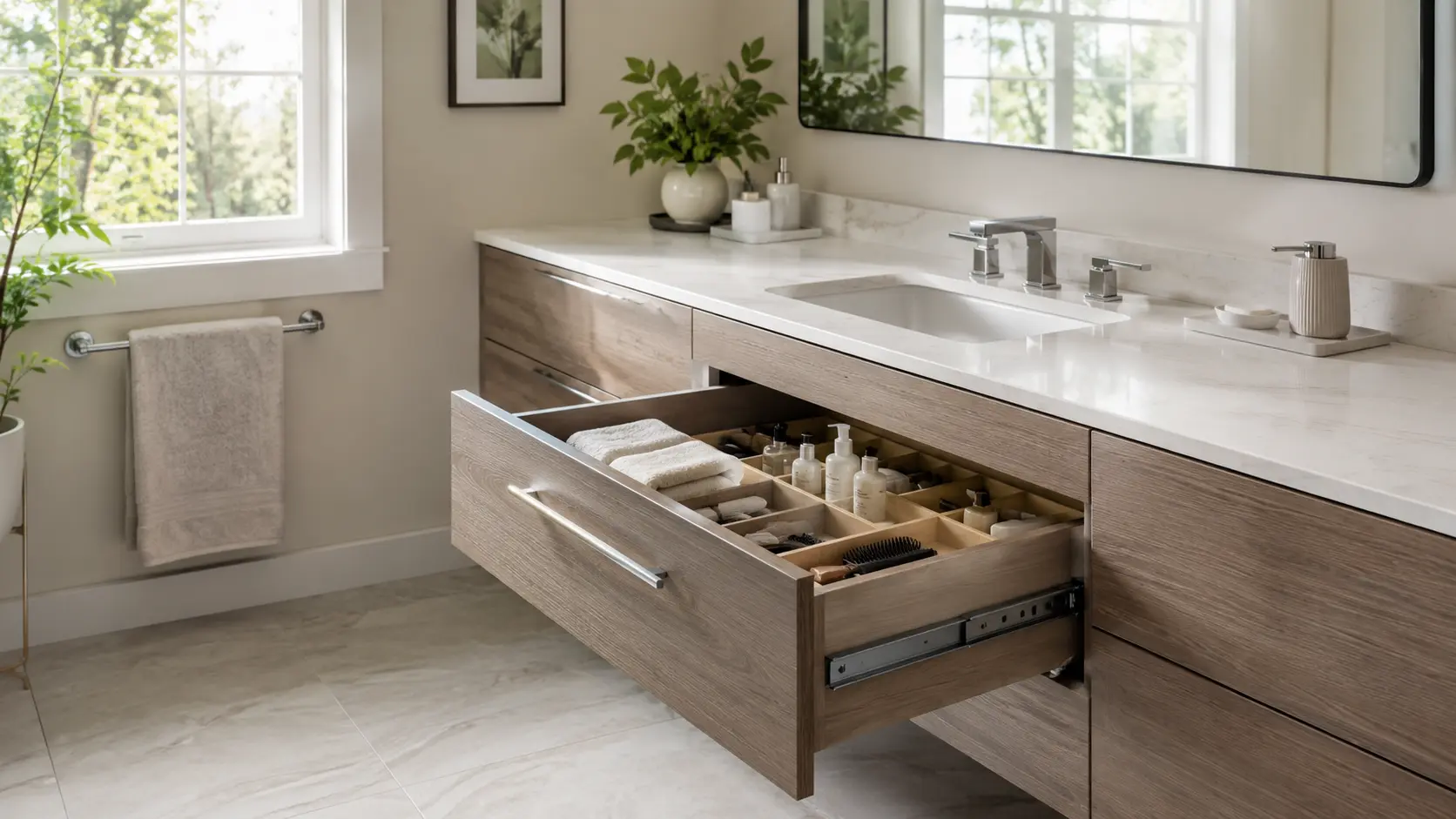
Soft-close bathroom vanity hardware improves daily use by making drawers and doors quieter, safer,
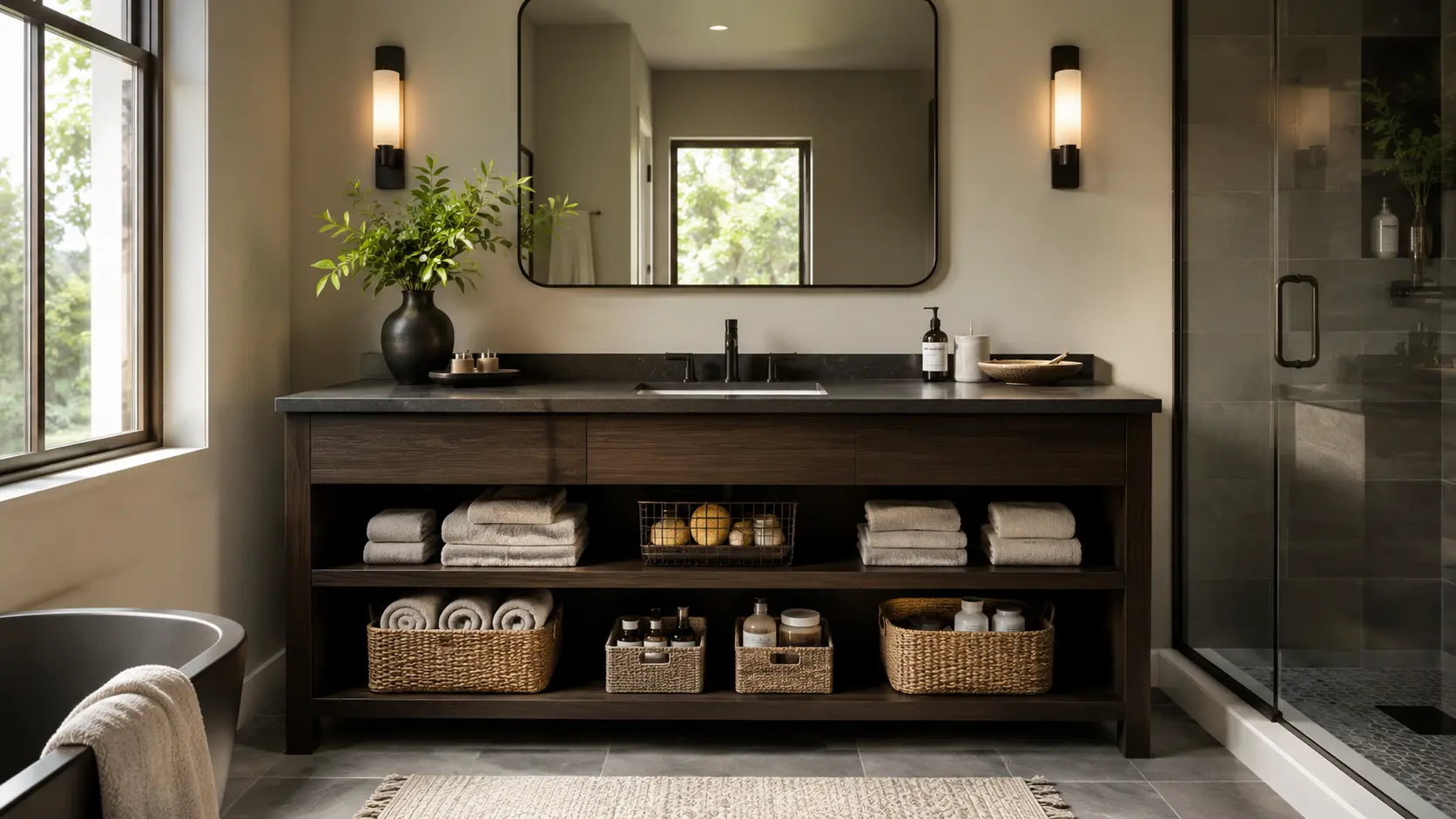
Open-shelf bathroom vanities influence storage and organization by making everyday items more visible, accessible,
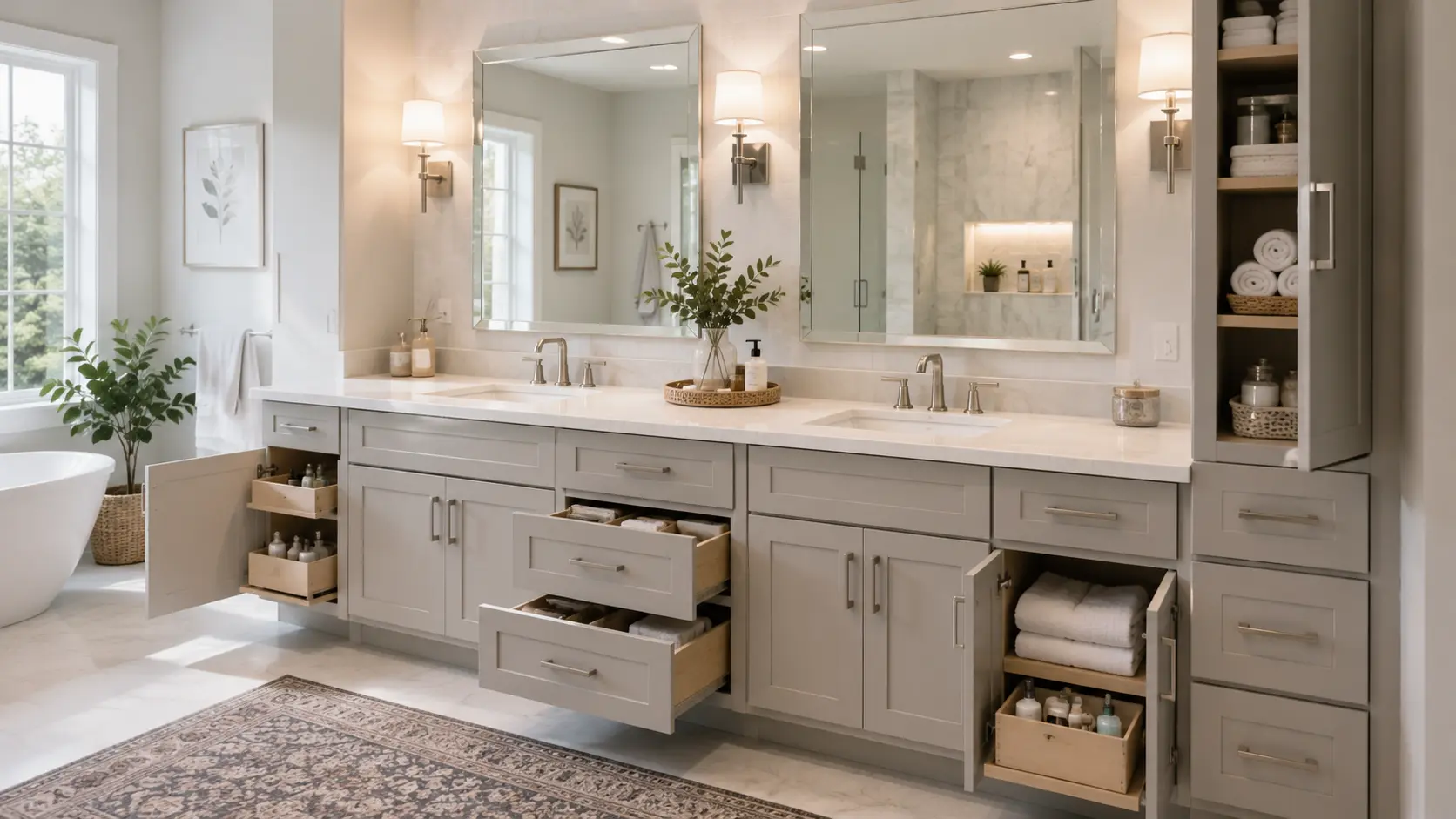
The right bathroom cabinets create more usable space around high-use vanities by keeping everyday
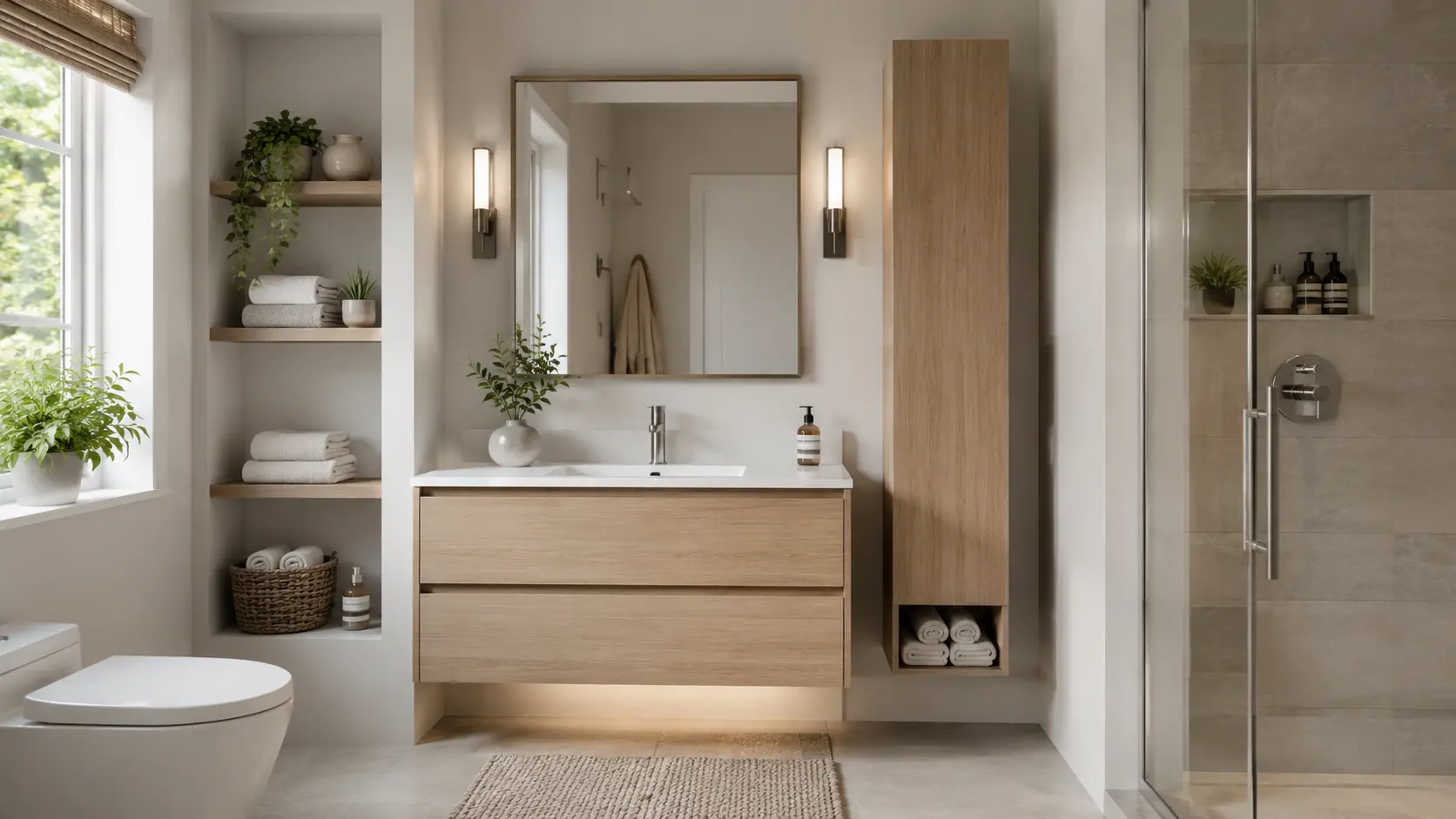
The bathroom cabinets that work best in bathrooms with limited wall space are floating
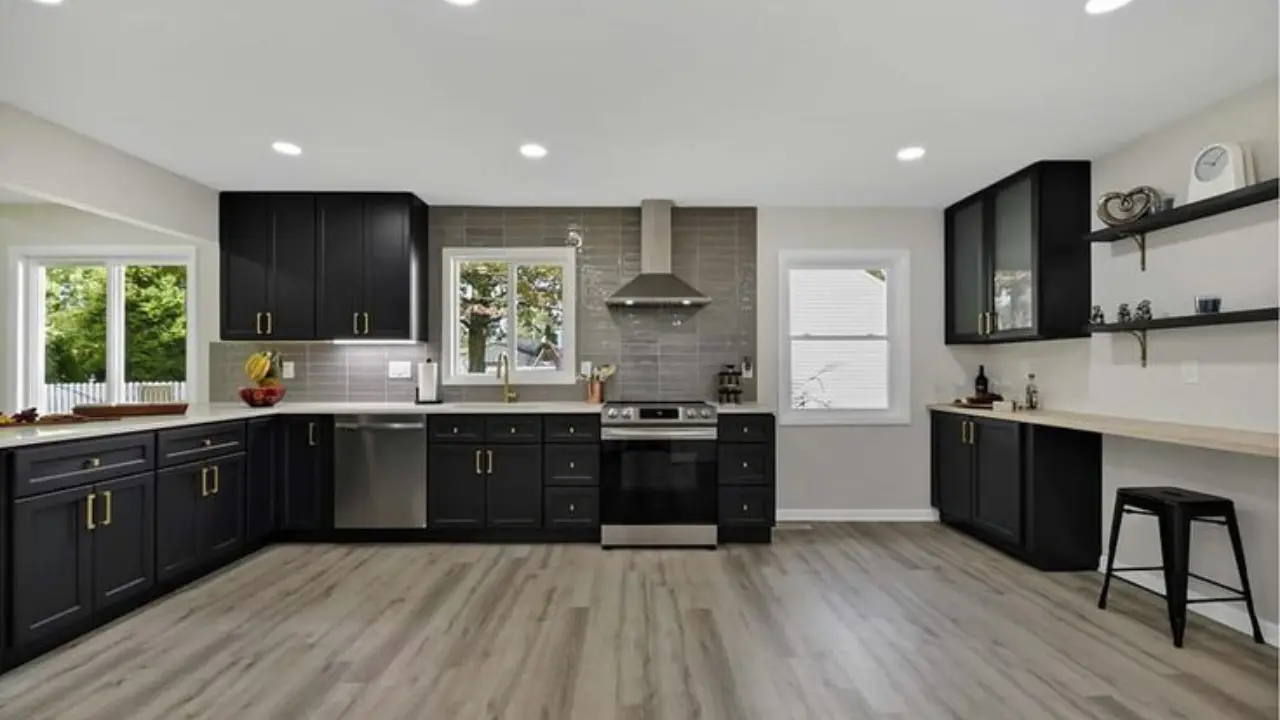
Cabinets and flooring are like the two main instruments in a kitchen design. One
A kitchen used by one person can be simple to plan. One cook moves
Your dream kitchen shouldn’t wait. We partner with leading financing providers to make your project more affordable. Split your purchase into manageable monthly payments that fit your budget, so you can start your renovation now.
Receive a custom pricing offer based on your project scope.
Get access to specialized account management.