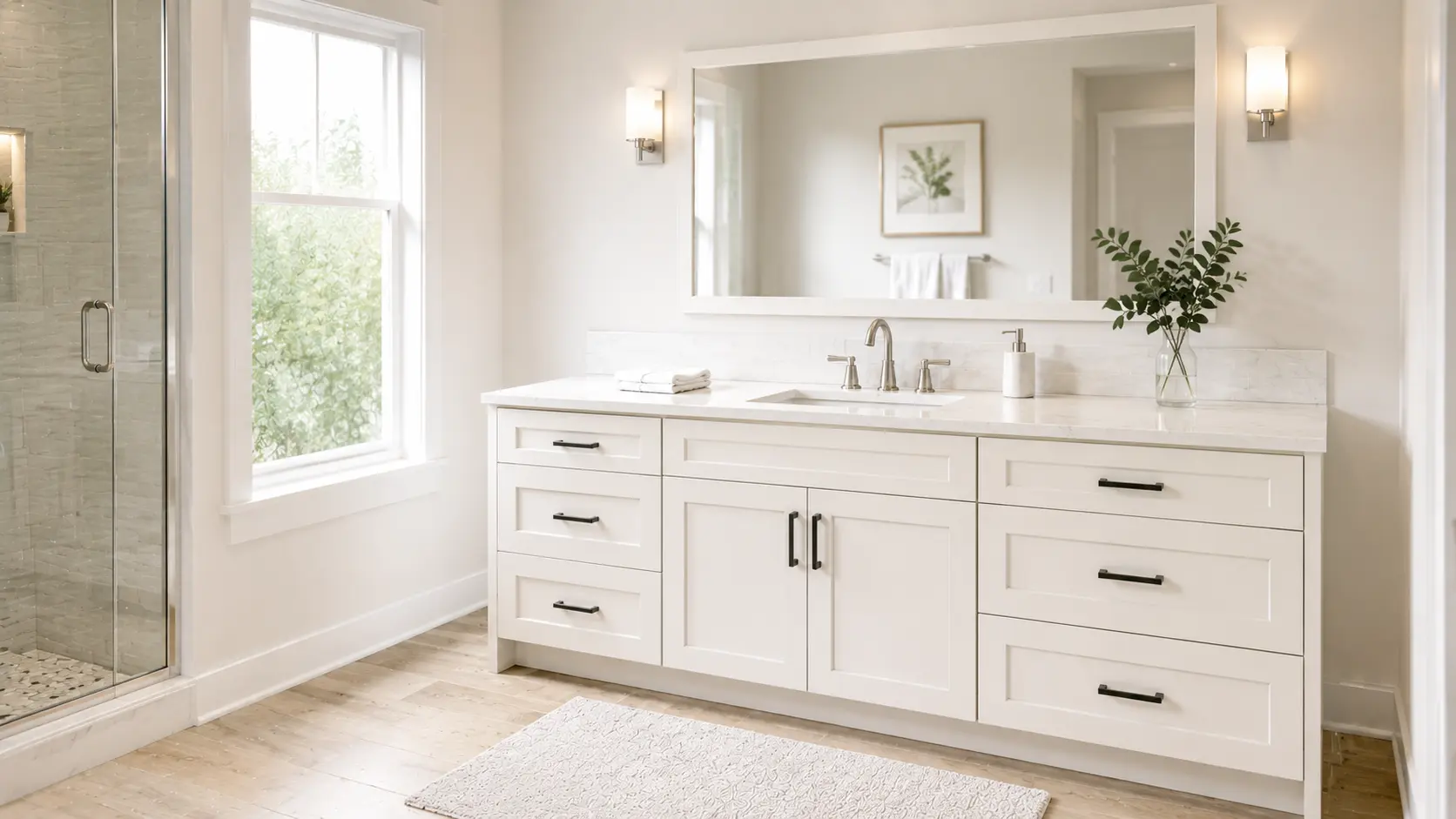
Sink depth has a direct influence on how comfortable, practical, and easy a bathroom feels to use every day. A deeper sink generally holds water more effectively and helps reduce splashing, while a shallower sink may provide easier access and a more open appearance. When choosing a Bathroom Vanity near Parma, understanding sink depth is just as important as selecting the vanity’s style or finish because it affects cleaning, storage, countertop space, and everyday convenience.
Most people interact with their bathroom sink several times each day while washing their hands, brushing their teeth, shaving, applying makeup, or cleaning personal items. The depth of the sink influences each of these routines by affecting how water behaves, how comfortable the sink feels to use, and how much usable countertop remains around the basin. Even a small difference of a few inches can noticeably change the daily experience.
Educational resources from companies such as RTA Cabinets Ohio explain that bathroom vanities should be viewed as complete functional systems rather than decorative furniture alone. The sink, countertop, storage cabinet, and plumbing all work together to support everyday bathroom activities, making sink depth an important consideration during the planning process.
A bathroom sink serves many purposes throughout the day. It supports personal hygiene, grooming, cleaning, and general household routines. Because it is used so frequently, its depth influences comfort more than many homeowners initially expect.
A sink that is too shallow may allow water to splash onto the countertop or surrounding floor more easily. A sink that is significantly deeper may require users to lean farther forward while washing their hands or face. Finding an appropriate balance between these two extremes creates a vanity that feels comfortable while supporting efficient daily use.
Sink depth refers to the vertical distance from the rim of the sink to the lowest point inside the basin. Although this measurement appears simple, it influences several practical aspects of bathroom design including water containment, countertop organization, plumbing space, and overall usability.
Different sink styles naturally create different depths. Undermount sinks, vessel sinks, integrated sinks, and drop-in sinks all have unique designs that affect how deep the usable basin feels during everyday activities. Understanding these differences helps homeowners evaluate sink performance instead of focusing only on appearance.
Most residential bathroom sinks fall within a moderate depth range designed to balance accessibility with effective water containment. While dimensions vary by manufacturer and sink style, many bathroom sinks measure approximately five to eight inches deep inside the basin.
These standard measurements have developed because they support common bathroom activities comfortably. They provide enough depth for washing hands and personal care while helping reduce excessive splashing during normal use.
Several factors determine the appropriate sink depth for a bathroom. Vanity height, countertop thickness, faucet design, household needs, and available storage space all contribute to selecting a sink that functions well within the room.
Bathroom size also influences sink selection. Smaller bathrooms may benefit from compact sink designs that preserve countertop space, while larger bathrooms often provide greater flexibility when choosing deeper or wider basins.
A Bathroom Vanity is designed to support both the sink and the storage cabinet beneath it. The depth of the sink influences how these components work together because the basin extends into the cabinet interior while also affecting available countertop space above.
Selecting an appropriate sink depth allows the vanity to balance storage, plumbing access, and daily usability. Rather than viewing the sink and vanity as separate products, homeowners benefit from understanding how both components function together as one integrated unit.
Vanity dimensions influence which sink depths can be accommodated comfortably. Larger vanities generally provide greater flexibility because they offer more countertop area and additional cabinet space beneath the sink.
Smaller vanities require more careful planning. Since storage space is already limited, choosing a sink with appropriate proportions helps maintain enough room for plumbing while preserving usable cabinet storage below.
Countertop space remains one of the most valuable features of any bathroom vanity. Toothbrush holders, soap dispensers, skincare products, and grooming tools all compete for this limited surface area.
Sink depth and basin size influence how much countertop remains available. A carefully balanced design allows homeowners to enjoy sufficient basin capacity while preserving practical workspace around the sink for everyday essentials.
Both deep and shallow sinks offer practical advantages depending on how the bathroom is used. Rather than identifying one option as universally better, it is more useful to understand the strengths each design brings to different households and routines.
Comparing these two approaches allows homeowners to think beyond appearance and focus on functionality. Daily comfort, cleaning habits, water control, and available storage all contribute to determining which sink depth works best within a specific bathroom.
Deeper sinks help contain water more effectively by providing additional basin capacity. During activities such as washing hands, rinsing personal items, or filling containers, the extra depth reduces the likelihood of water splashing onto the countertop.
A deeper basin also accommodates larger grooming tasks more comfortably. Washing small household items, cleaning makeup brushes, or rinsing hair accessories often becomes easier when the sink provides additional interior space.
Shallower sinks create a more open appearance while allowing users to reach the basin with less bending. This design may feel especially comfortable for children, older adults, or individuals who prefer a sink positioned closer to the countertop surface.
Because the basin extends less deeply into the vanity cabinet, shallower sinks may also preserve slightly more storage space beneath the countertop. This additional room can make organizing toiletries and cleaning supplies somewhat easier in compact bathroom vanities.
Cleaning is one of the most frequent activities performed at a bathroom sink, and the depth of the basin plays a larger role than many people realize. A sink that effectively contains water helps keep surrounding surfaces cleaner throughout the day. When water remains inside the basin instead of spreading across the countertop, less time is spent wiping surfaces after routine use.
Sink depth also affects how easily the basin itself can be cleaned. Smooth interior curves and an appropriate depth allow users to reach every part of the sink without difficulty. This makes routine cleaning more comfortable while helping reduce the buildup of soap residue, toothpaste, and water spots.
Some daily tasks involve rinsing or washing items larger than a toothbrush or drinking cup. Hairbrushes, makeup brushes, reusable water bottles, and grooming accessories often require additional space inside the sink.
A moderately deep sink provides extra room for these activities while helping keep water inside the basin. The added capacity allows items to be cleaned more comfortably without creating unnecessary splashing around the vanity.
Countertops quickly become cluttered when water regularly spreads beyond the sink. Frequent wiping may seem like a small task, but over time it becomes part of the daily maintenance routine.
Choosing an appropriate sink depth helps reduce moisture on surrounding surfaces. A drier countertop supports better organization while protecting commonly used items such as soap dispensers, toothbrush holders, and decorative accessories from standing water.
One of the primary reasons sink depth matters is its effect on splash control. Water striking the bottom or sides of a shallow basin has less distance to travel before reaching the countertop. A slightly deeper basin allows water to lose energy before reaching the rim, helping keep moisture contained within the sink.
Splash control depends on more than sink depth alone. Faucet height, water pressure, and basin shape also influence how water behaves during everyday use. When these elements work together, the sink becomes noticeably more comfortable to use.
Excess water around the vanity can create unnecessary cleaning and increase moisture exposure on surrounding surfaces. While occasional splashing is unavoidable, thoughtful sink design helps reduce the amount of water that reaches the countertop.
A well-balanced sink depth directs water downward into the basin instead of outward. This simple improvement contributes to a cleaner vanity while reducing the need for repeated wiping after every use.
Comfort is often influenced by small details that become noticeable only after months or years of daily use. A sink that minimizes splashing creates a more pleasant experience because users can focus on their routine instead of constantly cleaning nearby surfaces.
Comfort also comes from confidence. Knowing that water will remain inside the basin allows people to complete everyday tasks naturally without worrying about creating additional mess.
The sink basin extends below the countertop into the vanity cabinet, meaning its depth directly affects available storage space underneath. Deeper basins generally occupy more vertical space, leaving less room for shelves or storage containers around the plumbing.
This does not necessarily make deep sinks less practical. Instead, it highlights the importance of organizing cabinet space carefully. Understanding how the sink interacts with the cabinet allows homeowners to maximize storage even when plumbing occupies part of the available area.
Many vanities include open spaces around drain pipes that can still be used efficiently. Stackable containers, divided organizers, and compact storage bins help make better use of the remaining cabinet space while keeping toiletries neatly organized.
When storage space is limited, choosing a vanity with an efficient cabinet layout becomes even more important. Learning how RTA bathroom vanities improve storage in small bathroom layouts can provide additional ideas for maximizing cabinet space, organizing toiletries, and making compact bathrooms feel more functional without sacrificing everyday convenience.
Although plumbing is hidden inside the vanity cabinet, it plays an important role in determining how sink depth functions. Drain placement, water supply lines, and trap assemblies all work together beneath the sink, influencing both installation and storage.
Understanding these relationships helps homeowners appreciate why sink depth affects more than the visible basin. The internal plumbing layout directly impacts the organization and usability of the cabinet below.
The position of the drain affects how efficiently water leaves the sink while also determining where plumbing components occupy cabinet space. Center drains, rear drains, and offset drains each create slightly different storage opportunities beneath the vanity.
Some sink designs place the drain closer to the back of the basin, allowing additional usable storage toward the front of the cabinet. Others prioritize symmetrical appearance while using more central plumbing placement.
Plumbing components naturally reduce available storage beneath the sink, but thoughtful organization can make the remaining space highly functional. Adjustable shelves, removable storage bins, and compartment organizers help homeowners work around pipes instead of viewing them as obstacles.
Separating cleaning supplies, extra toiletries, and household items into smaller containers also improves accessibility. Organized storage makes the cabinet easier to maintain while preventing clutter from accumulating around plumbing fixtures.
Different households use bathroom sinks in different ways. Families with young children may prioritize easy accessibility, while households with multiple users often appreciate sinks that help reduce splashing during busy morning routines. Understanding daily habits helps determine which sink depth best supports long-term comfort.
A bathroom used by several people throughout the day experiences significantly more activity than a guest bathroom. Frequent handwashing, brushing teeth, shaving, skincare routines, and cleaning personal items all place different demands on the sink. Choosing a balanced sink depth helps accommodate these varied activities while maintaining comfort for every member of the household.
Educational information provided by RTA Cabinets Ohio emphasizes that practical bathroom design should support real daily routines rather than focusing only on visual appearance. Viewing the vanity, sink, countertop, and storage cabinet as one complete system helps homeowners make informed design decisions that improve everyday functionality.
Selecting the right sink depth is about balancing several everyday needs rather than focusing on a single feature. A sink should comfortably support handwashing, brushing teeth, shaving, skincare routines, and general bathroom cleaning without making any of these activities feel awkward. The ideal depth allows water to remain inside the basin while still providing easy access for users of different heights.
Comfort also depends on how the sink works with the overall vanity. Countertop height, faucet placement, and basin depth all influence posture during daily use. When these elements are proportioned well, the bathroom becomes easier to use throughout the day without unnecessary bending or stretching.
Another important consideration is maintenance. A balanced sink depth not only improves usability but also makes the vanity easier to keep clean. Water remains better contained, surfaces stay drier, and routine cleaning becomes less time consuming.
Every household develops unique routines that influence how often and how intensively the bathroom sink is used. Some bathrooms mainly support quick handwashing and brushing teeth, while others are used for detailed grooming, skincare, and cleaning personal accessories.
Evaluating these habits helps homeowners understand which sink characteristics will provide the greatest everyday comfort. A thoughtful choice supports daily routines naturally without requiring adjustments after installation.
Bathrooms shared by several people often benefit from sink designs that provide flexibility. Adults, teenagers, children, and guests may all interact with the same vanity throughout the day, creating different expectations for comfort and accessibility.
Choosing a moderate sink depth allows the bathroom to serve a wide variety of users while maintaining practical functionality for common daily activities.
Bathroom fixtures are expected to perform reliably for many years. Because the sink becomes part of everyday routines, its depth should continue supporting changing household needs over time rather than only meeting immediate preferences.
Long-term practicality comes from selecting a sink that remains comfortable as family routines evolve. Whether children grow older, new storage needs develop, or grooming habits change, a well-balanced sink depth continues supporting efficient bathroom use without becoming inconvenient.
Durability is also connected to thoughtful design. A sink that effectively controls splashing helps reduce constant moisture around the countertop and vanity surface. Maintaining a cleaner, drier environment contributes to preserving the overall appearance of the bathroom during years of regular use.
Accessibility extends beyond compliance with design standards. It refers to how comfortably people can use the sink during ordinary daily activities. Sink depth affects the amount of reaching, bending, and arm movement required while washing hands or completing grooming tasks.
A basin that feels comfortable for one individual may not be ideal for another. Considering the height of household members, the intended users of the bathroom, and typical daily routines helps create a vanity that feels natural rather than restrictive.
Thoughtful accessibility also improves confidence. Users can complete daily activities without worrying about excessive splashing, awkward positioning, or difficulty reaching the basin.
Many homeowners assume that deeper sinks are always better because they appear to hold more water. While additional depth can improve water containment, an excessively deep sink may reduce comfort for some users and occupy more cabinet space beneath the vanity.
Another common misconception is that shallow sinks always create excessive splashing. In reality, splash control depends on several factors working together, including faucet height, water pressure, basin shape, and sink depth. Looking at the complete vanity system provides a more accurate understanding of everyday performance.
Some people also focus primarily on visual appearance when selecting a sink. Although aesthetics contribute to overall bathroom design, practical functionality often has a greater influence on long-term satisfaction because the sink becomes part of everyday routines.
The relationship between sink depth and organization is often overlooked. Because the basin extends into the vanity cabinet, it directly affects the amount of storage available beneath the sink. Planning storage around this space helps homeowners organize toiletries, cleaning supplies, and personal care products more effectively.
Using stackable containers, removable bins, and divided organizers allows the remaining cabinet space to be used efficiently. Instead of viewing plumbing and sink depth as limitations, homeowners can create organized storage systems that support daily bathroom routines.
Educational resources from RTA Cabinets Ohio encourage viewing bathroom vanities as complete functional systems where storage, plumbing, sink design, and countertop space work together to improve everyday usability. Understanding these relationships allows homeowners to make informed decisions based on practical performance instead of appearance alone.
RTA Cabinets Ohio is dedicated to serving the diverse needs of the Parma community with high-quality RTA cabinets, including individuals residing in neighbourhoods like Parma Heights. With its convenient location near landmarks such as the Holy Ghost Cemetery and major intersections like Pearl Road and Ridge Road (Latitude: 41.4125425, Longitude: -81.7260532), we provide Bathrooms Vanities.
Get Bathrooms Vanities in Parma Heights Now
Call Us or Contact Us (216) 304-2020
Sink depth has a meaningful impact on the everyday experience of using a Bathroom Vanity near Parma. It influences water containment, cleaning, countertop organization, cabinet storage, accessibility, and overall comfort. Rather than treating sink depth as a minor specification, homeowners benefit from understanding how it interacts with every part of the vanity system.
A balanced sink depth supports daily routines by helping control splashing, improving ergonomics, and creating a comfortable space for personal care activities. It also contributes to better organization by working alongside the vanity cabinet, plumbing layout, and countertop to create a practical bathroom environment.
Ultimately, choosing an appropriate sink depth is about matching the design to the way the bathroom is used each day. By considering comfort, functionality, maintenance, and storage together, homeowners can better understand how sink depth contributes to the long-term usability of a bathroom vanity. This practical approach aligns with the educational guidance shared by RTA Cabinets Ohio, which emphasizes thoughtful planning and functional bathroom design rather than appearance alone.
Most bathroom sinks are designed with a moderate depth that balances accessibility with water containment. This range supports everyday activities such as handwashing, brushing teeth, and grooming while helping reduce splashing.
Not necessarily. While additional depth can help contain water, splash control also depends on faucet height, water pressure, basin shape, and how the sink is used. All of these factors work together to influence daily performance.
A deeper sink extends farther into the cabinet beneath the countertop, which may reduce available storage space. Organizers and thoughtful cabinet planning can help maximize the remaining storage area.
The sink, countertop, plumbing, and vanity cabinet function as one integrated system. Evaluating these components together helps create a bathroom that is comfortable, organized, and practical for everyday use.
Yes. An appropriate sink depth can help contain water within the basin, reducing moisture on surrounding surfaces. This contributes to easier routine cleaning and helps keep the vanity area tidy during daily use.
Sink depth has a direct influence on how comfortable, practical, and easy a bathroom
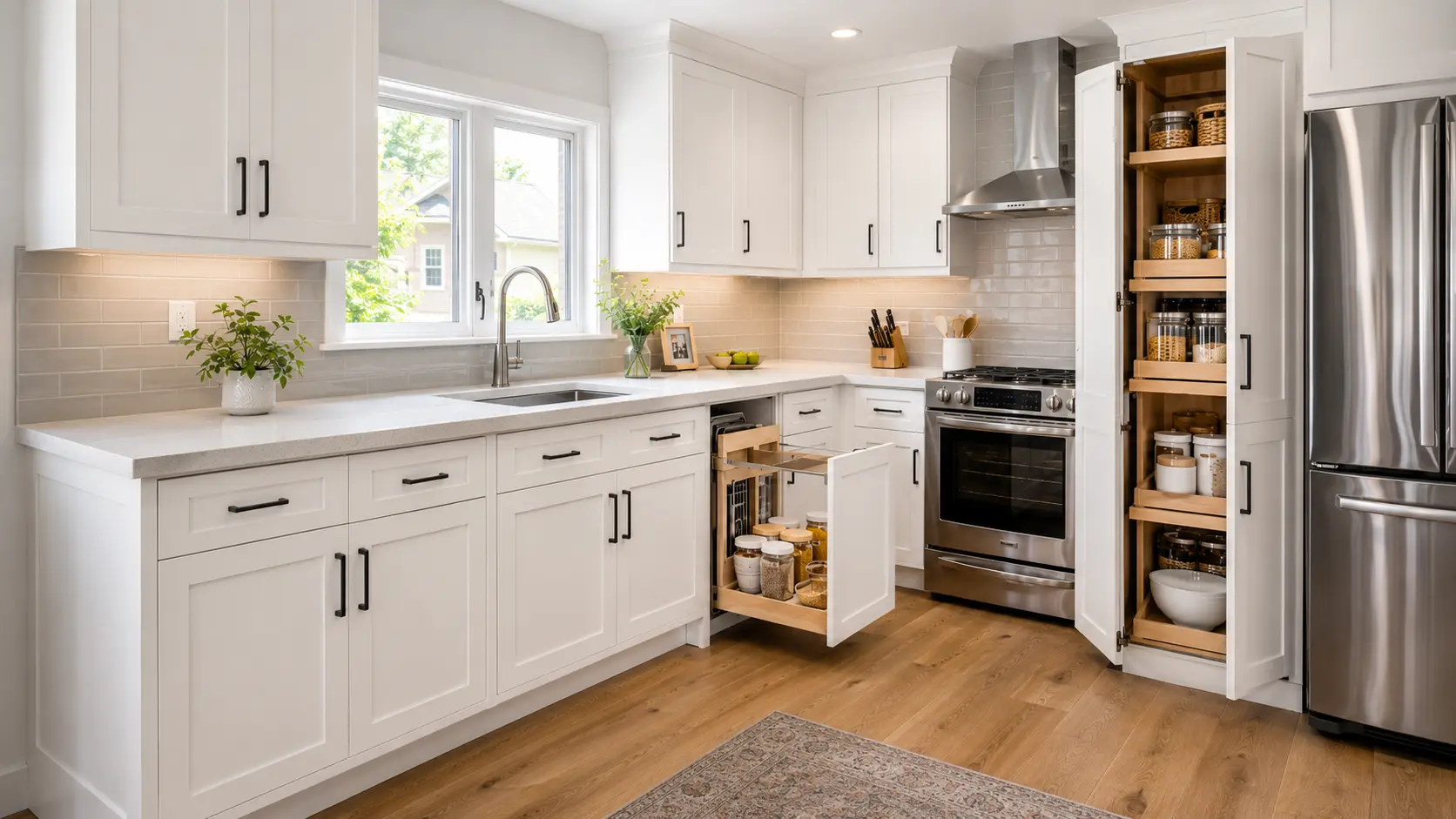
The most valuable storage features to prioritize with Affordable Kitchen Cabinets near Parma are
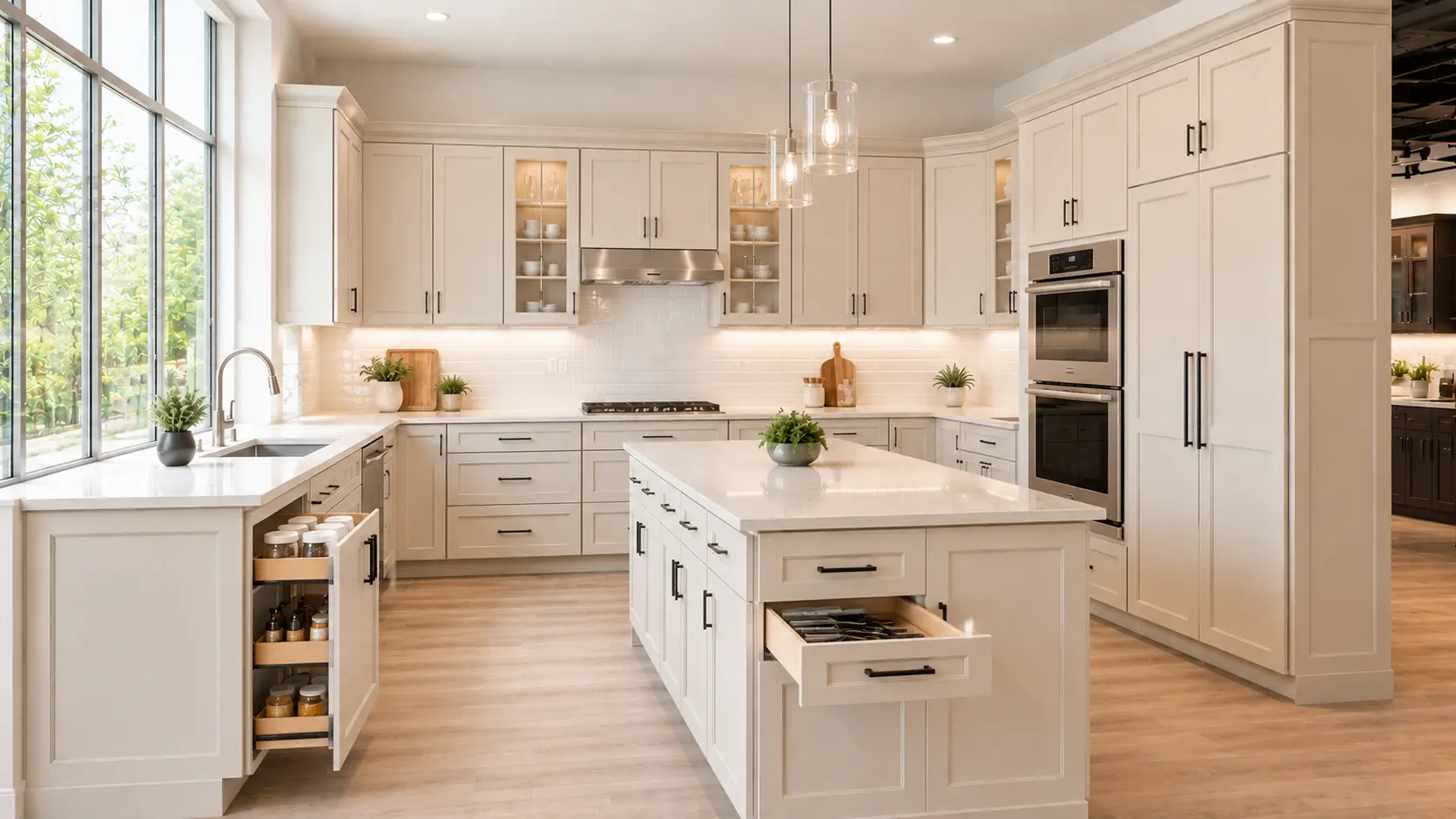
Homeowners can find cabinet layout inspiration by studying full-size kitchen displays, comparing different floor
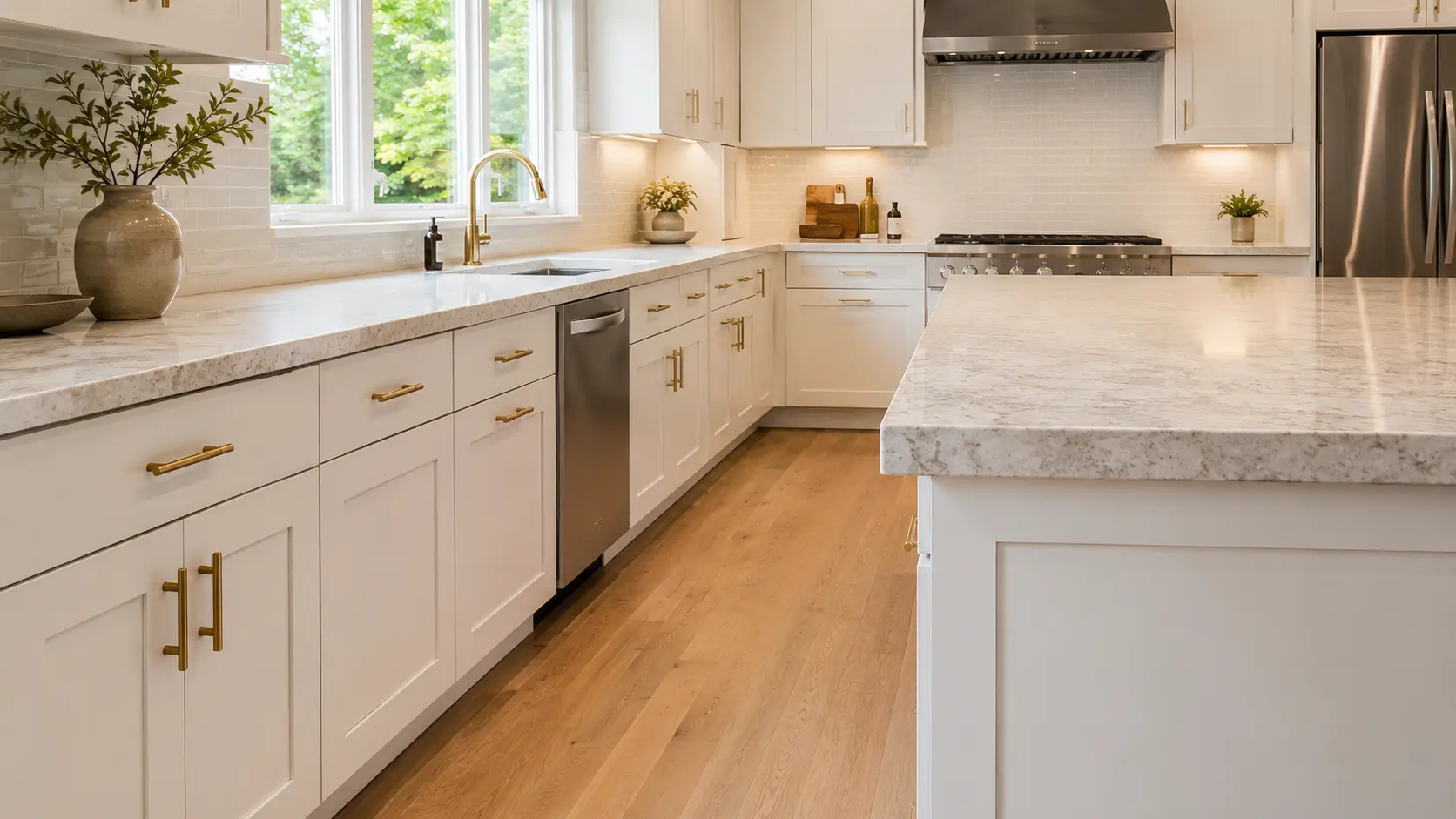
Heavy countertop materials such as quartz and granite rely on much more than their
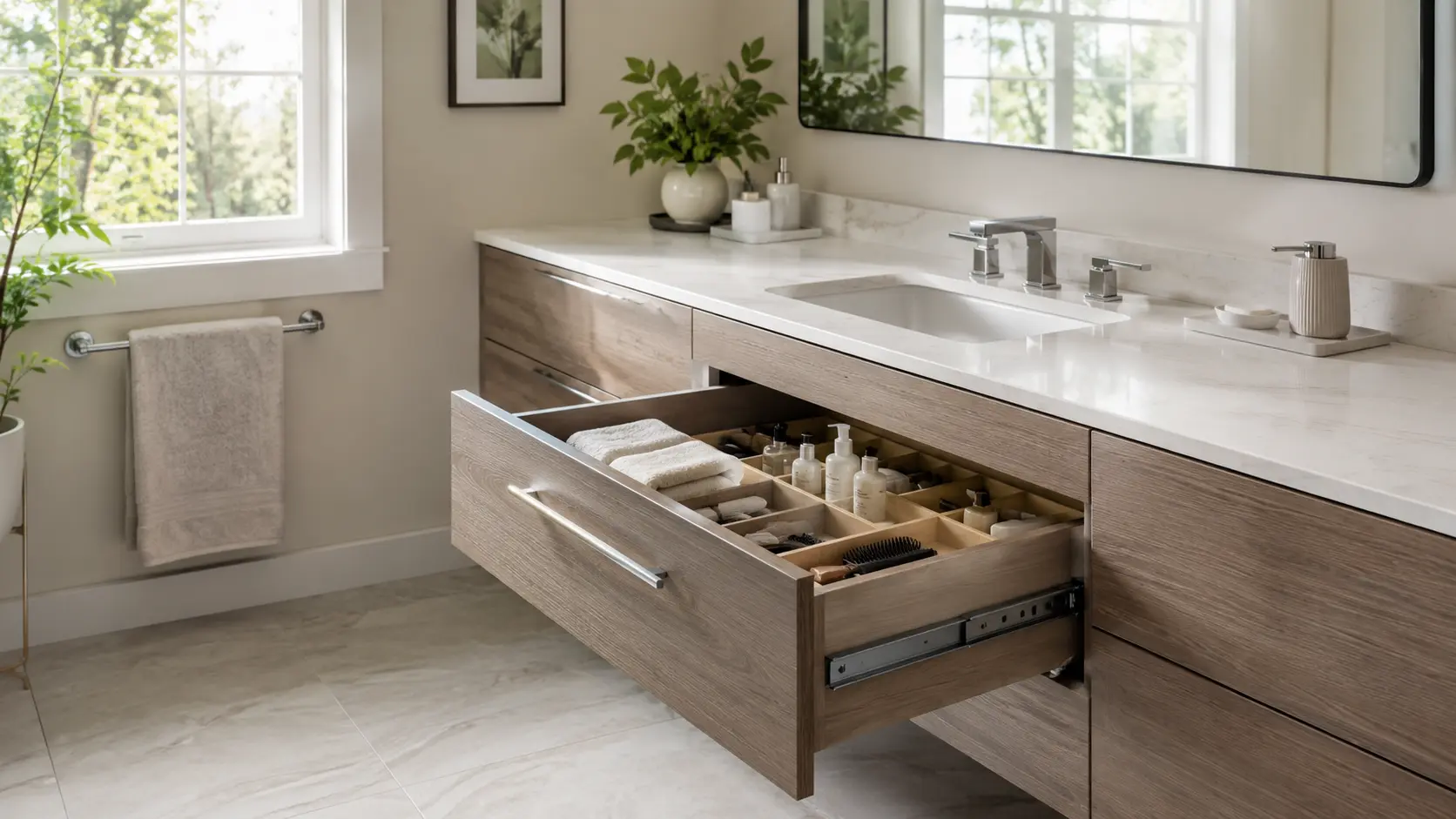
Soft-close bathroom vanity hardware improves daily use by making drawers and doors quieter, safer,
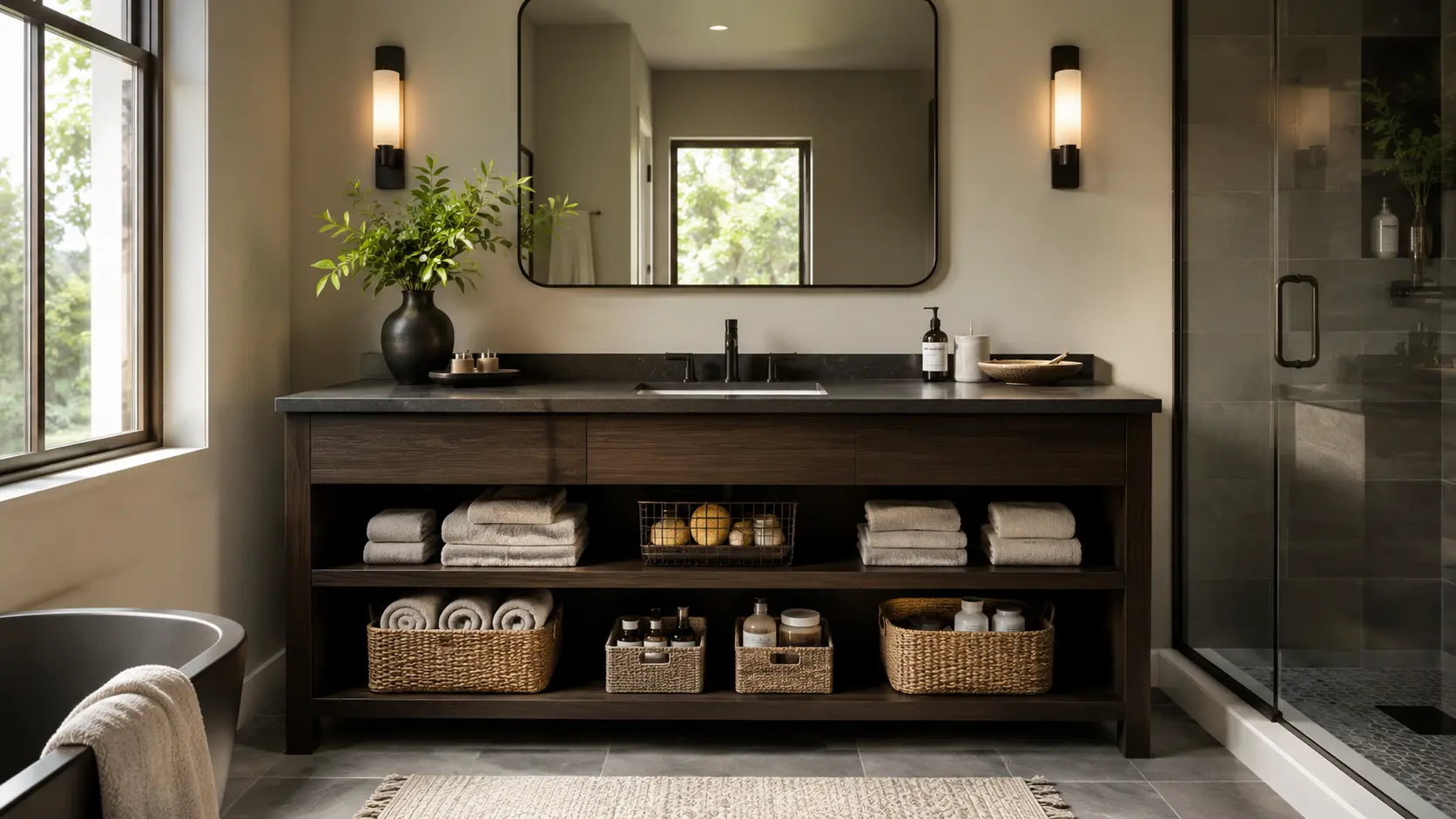
Open-shelf bathroom vanities influence storage and organization by making everyday items more visible, accessible,
Your dream kitchen shouldn’t wait. We partner with leading financing providers to make your project more affordable. Split your purchase into manageable monthly payments that fit your budget, so you can start your renovation now.
Receive a custom pricing offer based on your project scope.
Get access to specialized account management.