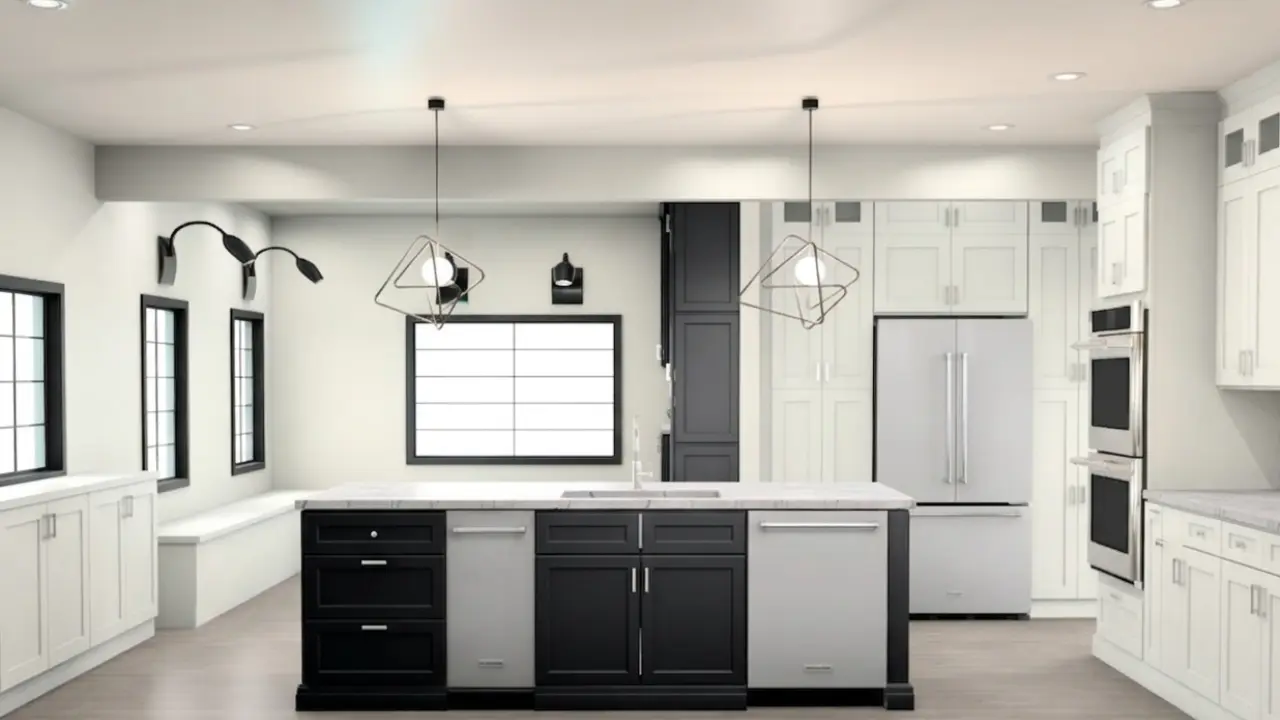
Kitchen remodeling projects involve hundreds of decisions, but few influence the final appearance and functionality of the space as much as upper cabinet placement. Cabinets are not simply storage boxes attached to walls. They shape how the kitchen feels, how accessible storage becomes, how light moves through the room, and how comfortable everyday tasks feel over time.
One of the most important factors influencing upper cabinet placement is ceiling height. Yet many homeowners overlook this detail while focusing mainly on cabinet color, door style, or countertop materials. Ceiling height changes nearly every aspect of cabinet planning, including storage capacity, accessibility, visual balance, and kitchen openness.
A kitchen with low ceilings requires completely different cabinet planning than a kitchen with vaulted ceilings or tall open spaces. The wrong cabinet height can make a room feel cramped, awkward, or difficult to use. Proper placement, however, can make the kitchen feel balanced, functional, and visually comfortable.
For homeowners researching Buy Cabinets Parma remodeling ideas, understanding how ceiling height affects cabinet placement can help prevent major design mistakes and improve long term kitchen usability. Many homeowners exploring kitchen planning ideas through RTA Cabinets Ohio also discover that cabinet positioning influences much more than appearance alone. It affects movement, organization, lighting, and the overall experience of using the kitchen every day.
Ceiling height affects how spacious a kitchen feels visually and physically. Even kitchens with identical square footage can feel dramatically different depending on ceiling proportions and cabinet placement.
Tall ceilings create a sense of openness and vertical space. Low ceilings create a more enclosed feeling. Cabinets interact directly with those proportions because upper cabinets occupy large sections of wall space.
If cabinets are installed without considering ceiling height, the room can quickly feel unbalanced. Cabinets placed too high may become impractical to reach. Cabinets placed too low may make the room feel compressed.
Ceiling height also influences lighting, airflow, storage planning, and visual symmetry throughout the kitchen.
Most kitchens follow general cabinet placement standards, but those standards are only starting points rather than fixed rules.
In many kitchens, upper cabinets are installed approximately eighteen inches above countertops. This spacing creates enough workspace for cooking appliances, food preparation, and backsplash installation while keeping storage reasonably accessible.
However, ceiling height may require adjustments to those standard measurements.
Standard cabinet measurements developed because they generally balance accessibility and functionality for average kitchen layouts. Yet every kitchen is different. Ceiling proportions, homeowner height, lighting conditions, and room size all influence whether standard spacing actually works well in a specific kitchen.
Blindly following standard dimensions without evaluating the room can create problems later.
Low ceilings create unique kitchen design challenges because vertical space becomes limited.
In kitchens with low ceilings, oversized upper cabinets can overwhelm the room visually. Cabinets installed too close to the ceiling may make the kitchen feel boxed in and uncomfortable.
Smaller upper cabinets or lighter cabinet colors often help preserve openness in compact kitchens.
Spacing also becomes extremely important. Tight cabinet placement may reduce visual breathing room and make walls feel crowded.
Homeowners naturally want as much storage as possible, but maximizing cabinet size is not always the best solution in low ceiling kitchens.
Sometimes reducing cabinet height slightly improves the room far more than adding extra storage space. The kitchen may feel brighter, more comfortable, and easier to navigate visually.
Finding balance matters more than simply adding cabinets everywhere possible.
Tall ceilings create different challenges entirely.
High ceilings provide opportunities for additional storage and stronger visual impact. Without proper planning, however, tall kitchens may feel unfinished or disconnected.
Upper cabinets that stop far below tall ceilings often leave awkward empty wall space above them.
Many homeowners researching Buy Cabinets layouts for taller kitchens focus on extending cabinetry upward to improve visual balance and maximize storage.
Large empty wall sections above cabinets may collect dust visually and make kitchens feel incomplete. Extending cabinets upward or adding decorative transitions often helps create a more finished appearance.
Tall ceilings require careful proportion planning so the kitchen does not feel disconnected vertically.
Cabinet manufacturers offer many height options to accommodate different ceiling dimensions.
Shorter upper cabinets may work better in kitchens with low ceilings because they maintain openness and improve accessibility. Taller cabinets often complement higher ceilings because they reduce wasted wall space.
Some kitchens also combine cabinet heights for better visual balance. For example, taller pantry cabinets may pair with shorter upper cabinets depending on the room layout.
Flexibility is one reason modern kitchen design feels far more customized than older cabinet systems.
Modern cabinet planning often focuses heavily on adapting storage systems to specific room proportions rather than forcing standardized layouts into every kitchen.
For homeowners researching Buy Cabinets Parma remodeling projects, ceiling height becomes one of the first measurements influencing cabinet configuration decisions.
Cabinets should support comfortable movement, balanced proportions, and efficient storage regardless of ceiling dimensions.
Some kitchens benefit from stacked upper cabinets. Others work better with open shelving, decorative trim, or partial height cabinet layouts.
The best solution depends on how the kitchen is used daily.
Accessibility affects comfort every single day.
Cabinets installed too high quickly become inconvenient. Homeowners may need stools constantly just to reach frequently used dishes or pantry items.
This not only reduces convenience but may also create safety concerns over time.
The most frequently used kitchen items should remain easily accessible without strain.
Comfortable cabinet placement supports safer kitchen movement. Stretching awkwardly to reach heavy cookware or dishes increases accident risks.
Proper cabinet height reduces unnecessary reaching and improves overall kitchen usability.
Accessibility should always matter as much as appearance.
Kitchen design depends heavily on visual balance.
Cabinets that appear too small for tall ceilings may make the room feel unfinished. Cabinets that feel oversized for shorter ceilings may create heaviness and visual clutter.
Good proportions help kitchens feel intentional and harmonious rather than awkwardly assembled.
Designers often evaluate cabinet height relative to ceiling dimensions, window placement, flooring tone, and appliance scale simultaneously to maintain visual consistency.
Decorative trim often helps cabinets connect more naturally with ceilings.
Crown molding creates smoother visual transitions between cabinets and ceilings. It helps cabinetry feel integrated into the architecture of the room instead of appearing disconnected from surrounding surfaces.
This becomes especially useful in kitchens with taller ceilings.
Gaps above cabinets often collect dust and create visual emptiness. Extending cabinets upward with trim or stacked cabinets helps eliminate these awkward spaces.
Well planned transitions create a cleaner overall appearance.
Some kitchens intentionally leave open space above upper cabinets while others extend cabinetry fully to the ceiling.
Open space above cabinets can make kitchens feel lighter and less crowded. However, those spaces may also collect dust and reduce storage opportunities.
Full height cabinets maximize storage and create stronger vertical lines. Yet in smaller kitchens, they may feel visually heavy if not balanced carefully.
The decision depends heavily on ceiling height and overall room proportions.
Lighting changes dramatically depending on cabinet height and placement.
Cabinets influence how natural light spreads through the kitchen. Tall dark cabinets may absorb more light and create heavier visual weight, especially in kitchens with lower ceilings.
Lighter cabinet finishes often reflect light more effectively and help rooms feel larger.
Under cabinet lighting improves both visibility and atmosphere. Proper cabinet spacing allows lighting systems to illuminate countertops evenly without harsh shadows.
Cabinet placement directly affects how well layered lighting functions.
Air circulation matters more than many homeowners realize.
Cabinets installed too tightly near ceilings or appliances may restrict airflow. Moisture buildup, cooking heat, and steam can affect cabinet surfaces over time.
Proper spacing and ventilation planning help protect cabinet materials and improve long term durability.
This becomes especially important near cooktops and ventilation systems.
Ceiling proportions strongly affect emotional comfort inside the kitchen.
Low ceilings paired with bulky cabinets may create an enclosed atmosphere that feels crowded. Higher ceilings paired with carefully spaced cabinets often create a more open and relaxed environment.
Cabinet positioning helps either support or reduce that sense of openness.
Thoughtful spacing creates breathing room visually and physically.
Vertical planning significantly affects storage efficiency.
Higher cabinet sections often work well for storing seasonal cookware, serving dishes, or rarely used appliances.
These areas maximize vertical space without interfering with daily kitchen routines.
Frequently used items should remain in easily reachable locations. Careful cabinet planning separates everyday storage from long term or occasional storage needs.
This improves organization and reduces frustration during meal preparation.
Upper cabinets must coordinate carefully with appliances.
Microwaves, range hoods, refrigerators, and ovens all influence cabinet placement height. Improper spacing may interfere with ventilation or reduce appliance accessibility.
Refrigerator height especially affects upper cabinet alignment. Taller refrigerators may require custom spacing adjustments to maintain balanced proportions.
Cabinets and appliances should function together as one connected system.
Several planning mistakes appear repeatedly during kitchen remodeling projects.
Homeowners sometimes install cabinets excessively high to create more backsplash visibility or open space. Unfortunately, this often reduces accessibility significantly.
Storage that cannot be comfortably reached becomes frustrating quickly.
Another common mistake involves ignoring how cabinets relate visually to ceiling height. Cabinets may technically fit the wall but still feel awkward proportionally.
Good kitchen design considers overall balance rather than measurements alone.
Open concept kitchens require stronger visual coordination because cabinets remain visible from nearby living spaces.
Ceiling height becomes even more important in open layouts because the kitchen blends into surrounding rooms. Cabinets should complement the scale and openness of adjacent spaces rather than feeling isolated visually.
Tall ceilings in open kitchens often benefit from extended cabinetry or decorative architectural features that connect the kitchen to the rest of the home.
Cabinet color interacts closely with ceiling proportions.
Dark cabinets may create dramatic contrast in tall kitchens but feel heavy in kitchens with lower ceilings. Lighter cabinet finishes often make smaller kitchens feel brighter and more spacious.
Color selection should support the room’s vertical proportions rather than compete against them.
Glossy surfaces may also reflect more light, while matte finishes create softer visual effects.
Older homes frequently contain uneven ceilings, sloping floors, or irregular wall dimensions.
These structural inconsistencies complicate cabinet placement because measurements may vary across different sections of the kitchen.
Careful adjustment during installation helps maintain balanced cabinet alignment even when the home itself is imperfect.
Older kitchens often require more customization than newly constructed homes.
Not all kitchens fit standard cabinet dimensions comfortably.
Some homes feature vaulted ceilings, angled ceilings, or unusual architectural details that require customized cabinet planning. Custom trim, stacked cabinets, filler panels, or mixed cabinet heights may help create smoother visual transitions.
Flexibility becomes extremely important in these situations.
Proper customization helps the kitchen feel intentional instead of improvised.
Kitchen comfort depends heavily on how naturally people move through the space.
Upper cabinet placement influences cooking efficiency, cleaning convenience, and overall organization. Cabinets positioned too high or too low interrupt workflow repeatedly during daily tasks.
Thoughtful cabinet placement supports smoother routines and reduces physical strain over time.
A well planned kitchen feels intuitive to use.
Cabinet height also affects long term maintenance.
Very high cabinets become harder to clean regularly. Dust may accumulate above cabinets when large gaps exist near ceilings. Tall unreachable storage areas may eventually become neglected or disorganized.
Practical maintenance should remain part of cabinet planning discussions from the beginning.
Easy access improves both cleanliness and long term usability. Upper cabinet placement can also affect how easy the kitchen remains to clean and maintain over time. Cabinets positioned too high may collect dust more easily, while difficult to reach storage areas often become neglected during regular cleaning routines. Many homeowners researching easy cleaning features also look for cabinet designs that improve accessibility, durability, and long term kitchen maintenance.
RTA Cabinets Ohio is dedicated to serving the diverse needs of the Parma community with high-quality RTA cabinets, including individuals residing in neighbourhoods like Parma Heights. With its convenient location near landmarks such as the Holy Ghost Cemetery and major intersections like Snow Rd and Ridge Road (Latitude: 41.4050425, Longitude: -81.7360562), we help homeowners buy cabinets.
Get Cabinets in Parma Heights Now
Call Us or Contact Us (216) 304-2020
Ceiling height plays a major role in determining how upper cabinets should be positioned within a kitchen. Cabinet placement affects storage accessibility, lighting, visual balance, workflow efficiency, and the overall atmosphere of the room. A kitchen with carefully planned cabinet proportions feels far more comfortable and functional than one designed without considering ceiling dimensions.
For homeowners researching Buy Cabinets near Parma remodeling ideas, understanding the relationship between ceiling height and cabinet placement can help prevent costly mistakes while improving long term kitchen usability. Cabinets should not simply fit the walls physically. They should also support accessibility, openness, organization, and balanced proportions throughout the entire space.
As many homeowners exploring kitchen design ideas through RTA Cabinets Ohio discover, successful kitchen planning depends on much more than cabinet style alone. Proper upper cabinet placement helps kitchens feel brighter, more organized, easier to use, and visually connected to the rest of the home. When ceiling height and cabinet design work together thoughtfully, the entire kitchen becomes more functional and far more enjoyable for everyday living.
Ceiling height affects cabinet proportions, accessibility, storage capacity, lighting, and how spacious the kitchen feels overall.
Yes. Many kitchens use full height cabinets to maximize storage and reduce empty wall space, especially in rooms with taller ceilings.
Often yes. Smaller or lighter cabinets can help low ceiling kitchens feel more open and less crowded.
Many kitchens use approximately eighteen inches of space between countertops and upper cabinets, though adjustments may depend on ceiling height and kitchen design.
Cabinets placed too high may become difficult to reach comfortably and reduce everyday kitchen convenience.

Discount and cheap sound like the same word. They are not. A discount kitchen
Shaker cabinets are still the most requested cabinet door style in the country, and

Bathroom cabinets swell and warp faster than almost any other cabinetry in a home
Yes, when they are built from quality materials and assembled correctly, RTA kitchen cabinets
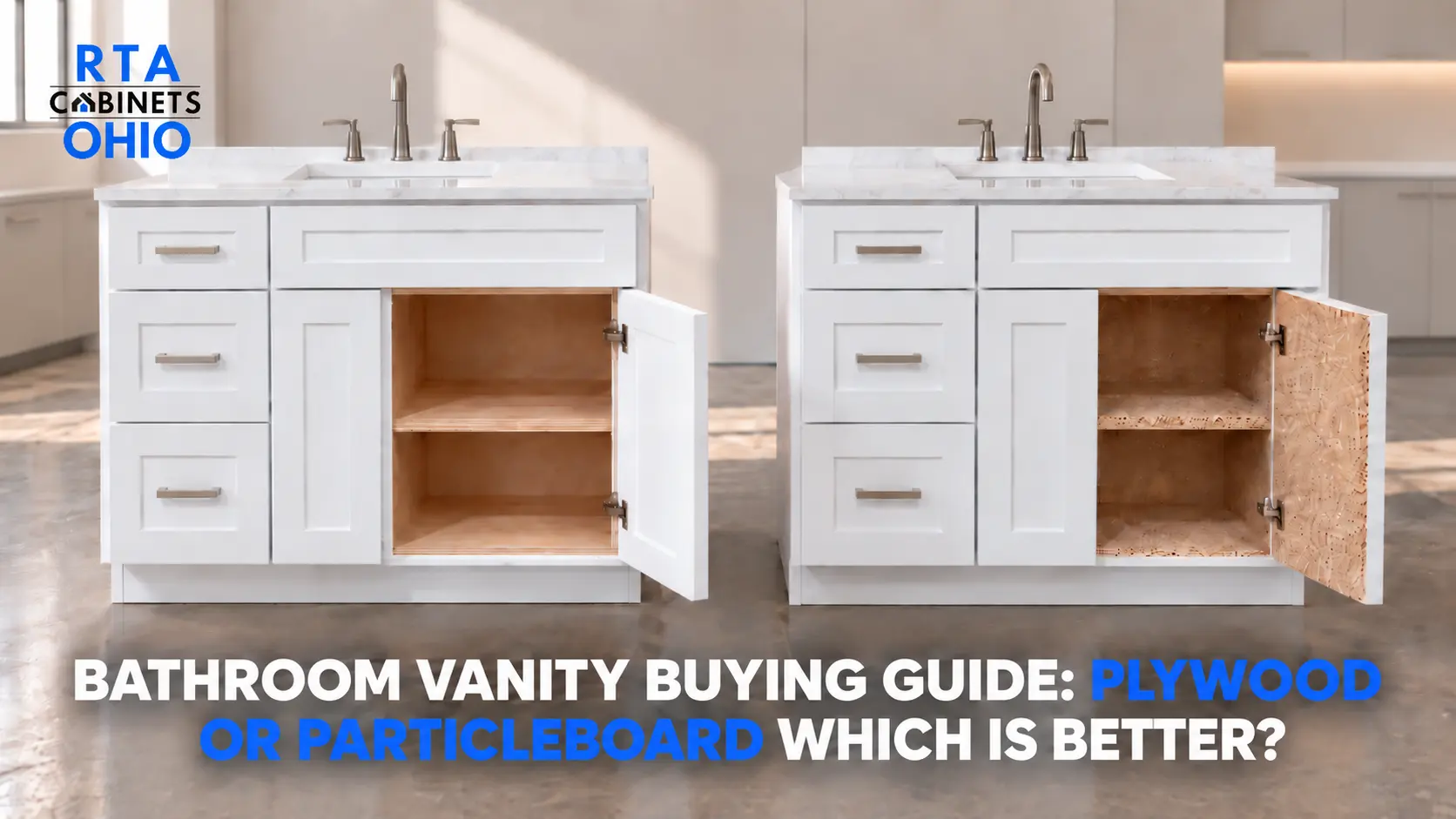
Not every bathroom vanity that looks solid actually is. Behind a painted door, the
Ordering cabinets online is faster, but it means trusting a photo to represent a
Your dream kitchen shouldn’t wait. We partner with leading financing providers to make your project more affordable. Split your purchase into manageable monthly payments that fit your budget, so you can start your renovation now.
Receive a custom pricing offer based on your project scope.
Get access to specialized account management.