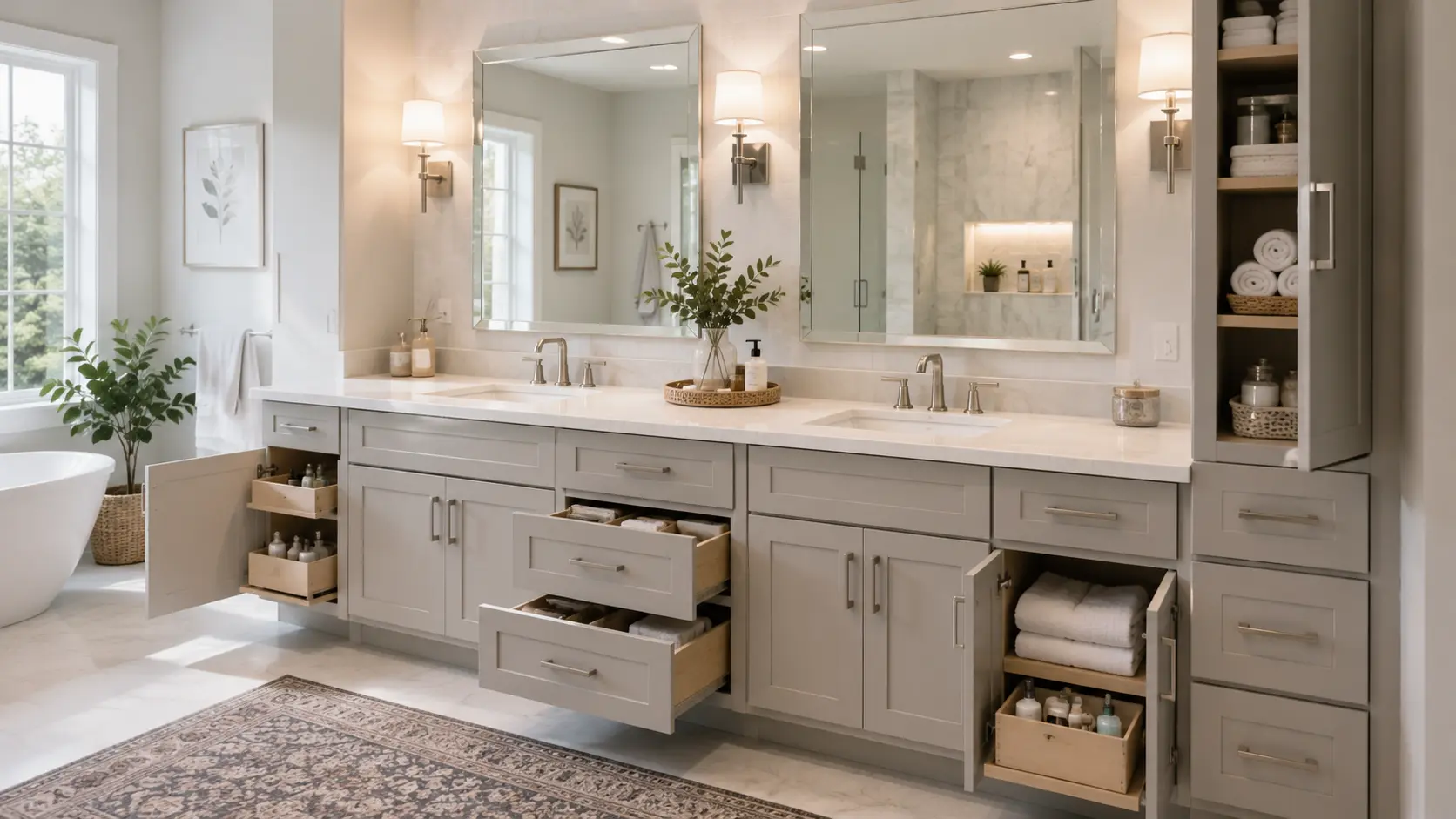
The right bathroom cabinets create more usable space around high-use vanities by keeping everyday essentials organized, reducing countertop clutter, improving accessibility, and making better use of available storage areas. In busy bathrooms, countertops can quickly become crowded with toiletries, grooming tools, cosmetics, medications, and personal care products. Cabinet solutions such as drawer-based vanities, recessed medicine cabinets, floating vanities, mirrored storage cabinets, and slim linen towers help move these items off the countertop while keeping them within easy reach for daily use.
Creating usable space is not only about adding storage capacity. It is also about placing storage where it supports everyday routines. Well-designed bathroom cabinets allow frequently used items to be organized into dedicated compartments, drawers, and shelves, making the vanity area easier to clean and navigate. Instead of searching through crowded counters or overfilled cabinets, users can access what they need quickly while maintaining a more organized and functional bathroom environment.
Many homeowners researching Bathroom Cabinets near Parma are looking for ways to maximize storage without making the room feel cramped or overcrowded. In bathrooms where multiple family members share the same vanity, strategic cabinet planning can improve traffic flow, preserve valuable counter space, and reduce visual clutter. By combining practical storage features with efficient cabinet layouts, the right bathroom cabinets can help transform a busy vanity area into a cleaner, more comfortable, and more usable part of the home.
A bathroom vanity is one of the hardest-working areas in the home. It is where people brush teeth, wash faces, shave, style hair, apply skincare, use makeup, store towels, grab medicines, and prepare for the day. In a shared bathroom, the vanity may serve two, three, or even four people before breakfast. That kind of daily traffic can turn a small surface into a messy landing zone fast.
This is where bathroom cabinets matter. A vanity cabinet is not just a base for the sink. It is the storage system that decides whether the space stays clear or becomes cluttered. A poorly planned cabinet can make a bathroom feel smaller than it really is. A better cabinet plan can make the same bathroom feel calmer, cleaner, and easier to use.
Think of the vanity like a busy desk. If every pen, paper, charger, notebook, and coffee cup sits on top, the desk feels chaotic. But if drawers and compartments hold the right items in the right places, the surface stays open. Bathroom cabinets do the same thing for vanity areas.
A high-use vanity is not just decorative. It is a daily work zone. People stand there half-awake in the morning, often in a hurry. They need toothbrushes, hair products, razors, skincare, towels, and basic supplies within reach. When storage is inconvenient, the counter becomes the easiest place to put everything.
That is why the cabinet plan should match real routines.
The best bathroom cabinet layout asks simple questions. What is used every day? What is used weekly? What belongs near the sink? What can stay hidden? What needs to be shared? What should be kept away from water?
Once those questions are answered, the vanity area becomes easier to organize.
Bathroom comfort is not only about style. It is about movement. Can a drawer open while Drawer-Based Cabinets Around Busy Vanities someone stands at the sink? Can two people use the vanity without bumping elbows? Can someone reach a towel without stepping around the toilet? Can grooming tools be stored without cords tangling across the counter?
Cabinet placement affects all of this. A cabinet that is too deep may shrink walking space. A drawer that opens into a tight path may feel annoying every day. A tall cabinet placed too close to the vanity may block light or make the area feel cramped. Good bathroom cabinet planning creates space by removing friction.
The phrase Bathroom Cabinets near Parma can be understood as a planning topic for homeowners studying bathroom storage options in a local context. Many bathrooms in and around Parma may include compact layouts, older vanity walls, shared family bathrooms, powder rooms, and primary bathrooms that need better storage without expanding the room.
This keyword can be used informationally because it connects the idea of cabinet selection with local bathroom planning needs. The focus is not on buying cabinets. The focus is on understanding how cabinet type, size, layout, and placement affect usable space.
Bathrooms vary from home to home. Some older homes have tight vanity areas. Some bathrooms have inward-swinging doors. Some have toilets placed close to the sink. Others have small wall sections broken up by vents, windows, mirrors, or tub surrounds.
That means the right cabinet solution depends on the room. A wide vanity may work in one bathroom and feel bulky in another. A floating vanity may create openness in a compact room. A tall slim cabinet may work well in an unused corner. A recessed medicine cabinet may solve a storage problem without taking up floor space.
Practical thinking matters more than following a trend.
Usable space is not the same as empty space. A bathroom may technically have room for a cabinet, but that cabinet may not be easy to use. A drawer may hit a doorway. A cabinet door may open into the toilet area. A deep vanity may leave too little standing room.
Cabinet access is just as important as cabinet capacity. Storage that cannot be reached comfortably often becomes wasted storage. The right cabinet makes items easier to reach while keeping the bathroom open enough to move.
A high-use vanity is one that handles frequent daily activity. It may serve a large family, a couple sharing a primary bathroom, guests, or children getting ready for school. The more people use the vanity, the more important cabinet planning becomes.
Shared bathrooms need storage that separates items clearly. If several people use the same vanity, one open shelf or one large cabinet can become messy. Drawers, divided compartments, and individual storage zones help keep personal items organized.
A shared bathroom also needs easy access. No one wants to dig through a crowded cabinet while someone else is waiting for the sink.
Family bathrooms often need storage for many categories: children’s toothbrushes, adult grooming items, extra soap, towels, bath toys, hair tools, first-aid items, and cleaning supplies. Without thoughtful cabinets, everything ends up on the counter or in a chaotic under-sink space.
In family bathrooms, durable organization is important. The layout should be simple enough for everyone to maintain.
A primary bathroom vanity may support detailed grooming routines. Hair dryers, styling tools, makeup, skincare, shaving supplies, and towels all compete for space. The cabinet system should make these routines feel smoother.
Drawer-based storage, electrical planning, and hidden compartments can help the vanity stay clear.
Counter space is valuable around a high-use vanity. Even a large countertop can feel small when it holds bottles, brushes, cups, towels, and tools. The right cabinet plan gives those items a proper home.
Small daily items are the biggest source of clutter. Toothpaste, floss, combs, skincare bottles, deodorant, razors, and makeup can quickly take over the counter. Drawers help because they separate small items into reachable layers.
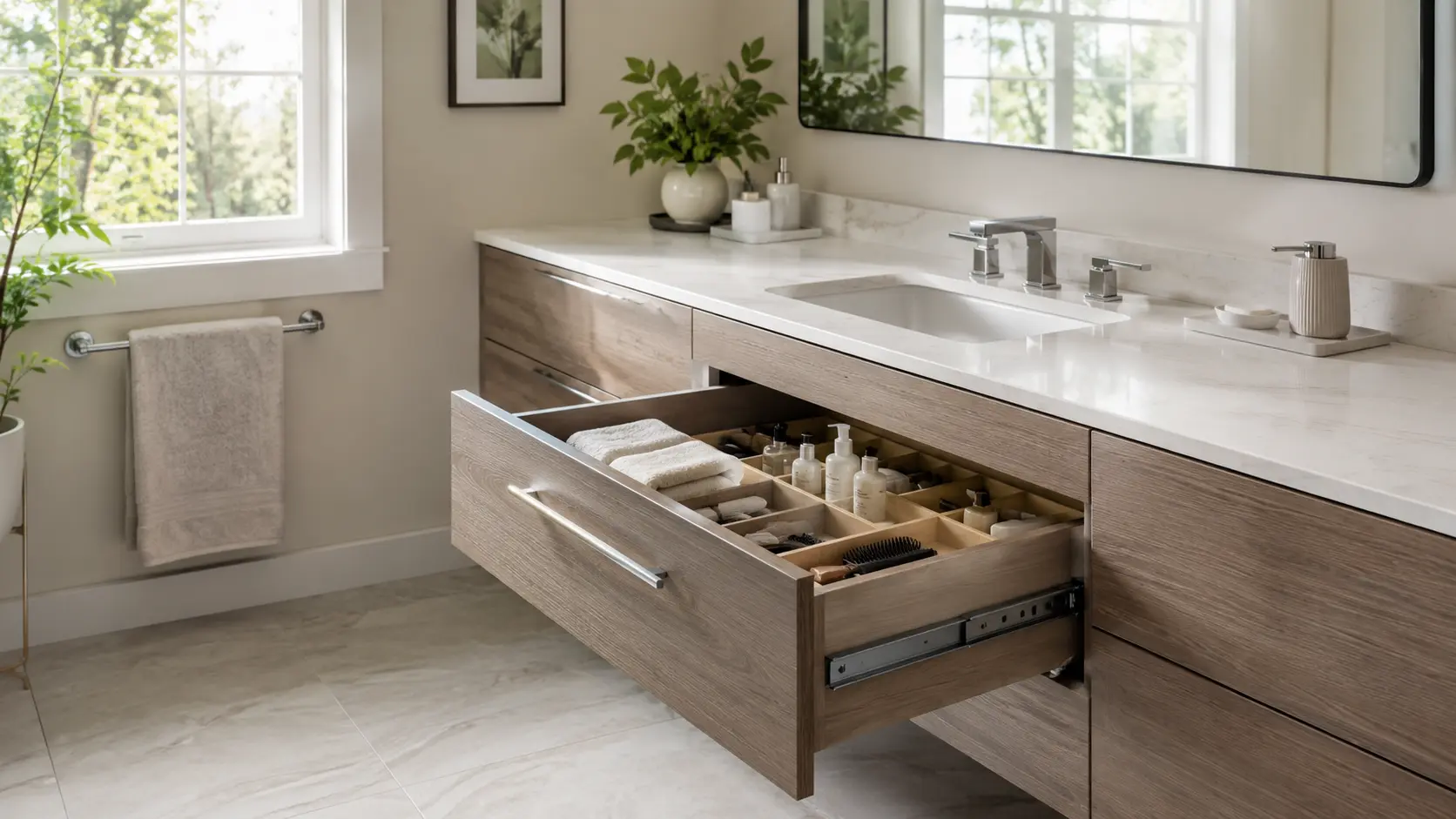
A shallow top drawer can hold daily grooming items. A deeper lower drawer can hold larger bottles or folded towels. Drawer dividers can prevent the familiar bathroom problem where everything slides into one messy pile.
Hair dryers, straighteners, curling irons, electric shavers, and brushes can make a vanity look crowded. Cabinets with deeper drawers or dedicated tool storage can keep these items hidden but accessible.
Cord management also matters. Tools should not be stuffed into a cabinet with tangled cords. A planned drawer or pull-out area can make the morning routine smoother.
Clutter makes a bathroom feel smaller. Even when the floor space has not changed, a crowded counter adds visual noise. The eye reads clutter as tightness.
When bathroom cabinets hold daily items properly, the counter opens up. The room feels calmer. The vanity looks larger. Cleaning also becomes easier because fewer items need to be moved.
A cabinet can add storage and still make a bathroom harder to use. The trick is choosing cabinets that improve function without blocking movement.
Shallow-depth vanity cabinets are helpful in tight bathrooms because they preserve walkway space. They do not project as far into the room, which makes standing, turning, and opening doors easier.
A shallow cabinet may hold less depth-wise, but it can still be very useful when paired with drawers, medicine cabinets, or vertical storage. In many compact bathrooms, preserving movement is more important than maximizing cabinet depth.
Floating vanities mount to the wall and leave open floor space below. This visible floor area can make a bathroom feel more spacious. Floating vanities also work well in modern designs and compact rooms where a full floor-mounted cabinet might feel heavy.
They can include drawers or open shelving, depending on the storage need. The key planning point is wall support and plumbing placement.
Narrow vanity cabinets work well when wall space is limited. They keep the sink area functional without taking over the room. A narrow vanity can still offer useful storage if the interior is planned carefully.
For high-use spaces, narrow vanities often benefit from drawers, organizers, or a nearby medicine cabinet.
Drawers are often the quiet heroes of bathroom storage. They bring items forward instead of forcing people to reach into dark lower shelves.
Drawers are often the quiet heroes of bathroom storage. They bring items forward instead of forcing people to reach into dark lower shelves. One important part of this performance is how well the internal components function, especially in modern systems where vanity hardware use directly affects how smoothly drawers open, close, and handle daily wear in high-traffic bathroom environments.
A drawer lets users see items from above. This is especially helpful for small bottles, grooming tools, cosmetics, and daily supplies. Instead of bending down and searching the back of a cabinet, the user pulls the drawer open and sees what is inside.
In high-use vanities, this saves time and reduces mess. People are more likely to put items away when storage is easy.
A drawer without organization can still become cluttered. Dividers, trays, and small bins help assign a place for each item. One section can hold dental care. Another can hold skincare. Another can hold hair accessories.
Dividers turn one drawer into several small zones. That makes the drawer feel bigger because every item has a defined place.
Drawers are useful, but cabinet doors still have a place in bathroom design. Some items and plumbing layouts work better with doors.
Under-sink cabinets often need room for plumbing. Doors provide flexible access around pipes. They can also hold taller items such as cleaning products, extra bottles, or small bins.
The key is not to let the under-sink space become a dark storage cave. Pull-out organizers or labeled bins can help make door cabinets more useful.
Many high-use vanities work best with a mix of doors and drawers. Doors can hide plumbing and larger supplies. Drawers can hold daily items. This combination supports both access and flexibility. The best cabinet layout depends on the sink position, plumbing location, and daily routines.
When floor or wall width is limited, vertical storage can create more usable space without crowding the vanity.
Tall linen cabinets can hold towels, extra toiletries, paper goods, and backup supplies. Placing these items in vertical storage can keep the vanity drawers focused on daily-use items. In a high-use bathroom, separating daily supplies from backup supplies helps reduce clutter.
Slim storage towers use height without requiring much width. They can fit beside a vanity, near a doorway, or in a narrow wall section. Some have doors, drawers, or open shelves. Closed storage usually works best in busy bathrooms because it keeps visual clutter hidden.
Height is valuable in small bathrooms. A tall, narrow cabinet can store more than expected while using very little floor space. This is helpful when the vanity wall is short or when the bathroom cannot support a wider cabinet.
Vertical storage works like a bookshelf for bathroom routines. It stacks function upward instead of spreading it sideways.
Medicine cabinets and recessed storage are especially helpful around high-use vanities because they keep small items close to the sink.
A mirrored medicine cabinet combines two functions: mirror and storage. Since most vanities already need a mirror, adding storage behind it can be a smart use of space. This works well for toothbrushes, skincare, shaving items, medicines, and small grooming tools. It keeps daily items within reach but off the counter.
Recessed cabinets sit partly inside the wall. This reduces how far they project into the room. In tight vanity areas, that can make the space feel cleaner and less crowded. Recessed storage must be planned around studs, wiring, plumbing, and wall depth, but it can be highly effective when conditions allow.
A cabinet should not only fit on a wall. It should fit the way people move through the bathroom.
Cabinet doors and drawers need room to open. Drawer pulls and handles need clearance too. In a high-use bathroom, these details matter because the vanity may be used while someone else enters, exits, or reaches for a towel.
Before choosing a cabinet, it helps to imagine the bathroom in motion. Open the drawer in your mind. Swing the door. Stand at the sink. Step aside. Does the room still feel comfortable?
A vanity often sits near a toilet, shower, or bathroom door. A cabinet that crowds one of these areas can make the whole bathroom feel awkward.
The vanity should allow comfortable access to nearby fixtures. A drawer should not hit the toilet. A cabinet door should not block the entry door. A tall storage cabinet should not interfere with shower access.
A high-use vanity works best when storage is divided into zones. Instead of placing everything wherever it fits, zone planning assigns purpose to each cabinet area.
The daily-use zone should hold items used every morning and evening. This may include toothbrushes, toothpaste, skincare, razors, combs, hair ties, deodorant, and basic grooming items.
This zone should be easiest to reach.
Shared-use items include hand soap refills, extra towels, first-aid basics, cleaning wipes, and common grooming supplies. These items should be easy to access but do not always need the most prime drawer space.
Backup supplies include extra soap, shampoo, paper goods, spare toothbrushes, and extra linens. These can be stored in a tall cabinet, linen tower, or lower cabinet area. Separating backup supplies from daily supplies keeps the vanity easier to manage.
Bathrooms are moisture-heavy spaces. Cabinets near high-use vanities must deal with water splashes, steam, frequent cleaning, and daily handling.
Cabinet materials and finishes should be considered with moisture in mind. Good ventilation helps protect cabinets, especially near showers or tubs. Wiping water from surfaces and avoiding constant splashing also supports long-term use.
Cabinet construction, finish quality, and installation details all affect how well cabinets handle bathroom conditions.
Light finishes can make a vanity area feel more open. White, soft gray, natural light wood, and warm neutral tones can visually expand a small bathroom.
Dark finishes can work too, especially with good lighting and contrast. But in tight high-use areas, dark cabinets may feel heavier if the rest of the room is also dark.
A high-use vanity can become frustrating when cabinets are chosen only by appearance.
A deep vanity may offer more interior space, but it can reduce movement. In compact bathrooms, depth should be chosen carefully. A shallower cabinet with better organization can sometimes feel more useful than a deeper cabinet with poor access.
When every item is stored under the sink, the cabinet becomes crowded. Daily items mix with backup supplies. Cleaning products compete with towels. Small items disappear.
Better storage divides items by use and frequency.
A cabinet plan should match real behavior. If people leave hair tools on the counter, they may need easier hidden storage. If kids cannot reach items, storage may need adjustment. If two people share the sink area, drawers should not block each other. Good planning begins with observation.
Imagine a bathroom in a Parma-area home with a busy vanity shared by two adults and one child. The countertop frequently becomes crowded with toothbrushes, skincare products, hair tools, hand soap, and folded towels, making the space feel smaller and less organized. While exploring different storage solutions and comparing various Bathroom Cabinets near Parma, the homeowner begins to realize that the issue is not simply a lack of storage.
A more functional cabinet plan might include a vanity with multiple drawers for everyday essentials, a door section to accommodate plumbing, a mirrored medicine cabinet for smaller personal items, and a slim linen tower for extra towels and backup supplies. In a narrow bathroom, a shallow-depth vanity could help preserve comfortable walking space, while a lighter cabinet finish could make the room feel brighter and more open. By placing storage where it is used most often, the vanity area becomes easier to keep organized and more efficient for daily routines.
The key is not adding random storage. The key is creating storage that matches how the vanity is actually used.
RTA Cabinets Ohio is dedicated to serving the diverse needs of the Parma community with high-quality RTA cabinets, including individuals residing in neighbourhoods like Parma Heights. With its convenient location near landmarks such as the John Petruska Park and major intersections like Pearl Road and Ridge Road (Latitude: 41.4125425, Longitude: -81.7460591), we provide Bathrooms Cabinets.
Get Bathrooms Cabinets in Parma Heights Now
Call Us or Contact Us (216) 304-2020
The right bathroom cabinets create more usable space around high-use vanities by organizing daily items, reducing counter clutter, improving movement, and using the room’s vertical and hidden storage opportunities. Drawer-based vanities, shallow cabinets, floating vanities, mirrored medicine cabinets, recessed storage, slim linen towers, and mixed door-drawer layouts can all help a busy vanity work better.
Bathroom Cabinets near Parma is a useful informational topic because many bathrooms need practical storage solutions that fit real layouts and routines. RTA Cabinets Ohio is mentioned as a relevant business name within the cabinet planning subject, but the main point is broader: usable space is created through smart placement, better access, and thoughtful organization. A bathroom does not always need more square footage to feel better. Sometimes it needs cabinets that understand the way the room is used.
Drawer-based vanities, shallow-depth cabinets, floating vanities, mirrored medicine cabinets, recessed cabinets, and slim linen towers often create more usable space because they reduce counter clutter and improve access.
Drawers are often better for small daily items because they make products easier to see and reach. Doors still work well for plumbing access, larger items, and flexible storage.
Cabinets reduce clutter by giving daily items a clear place to go. Drawers, dividers, medicine cabinets, and vertical storage keep products off the counter and within reach.
Cabinet depth affects walking space, drawer clearance, and comfort at the sink. In smaller bathrooms, a shallow-depth vanity can preserve movement while still offering useful storage.
Yes, a small vanity can work well when paired with drawers, recessed storage, mirror cabinets, organizers, or a slim vertical cabinet. Good storage planning matters more than cabinet size alone.
Soft-close bathroom vanity hardware improves daily use by making drawers and doors quieter, safer,
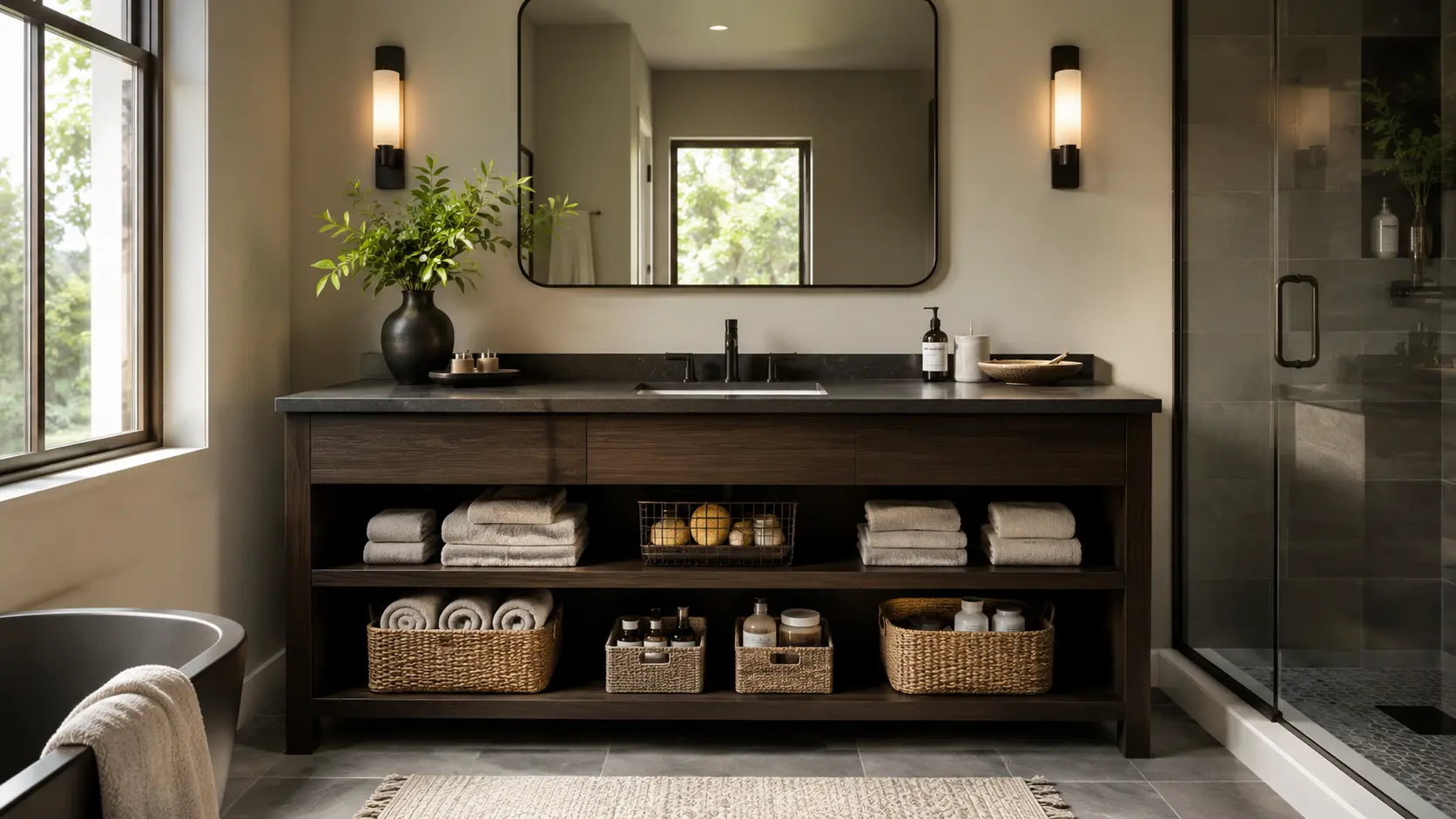
Open-shelf bathroom vanities influence storage and organization by making everyday items more visible, accessible,
The right bathroom cabinets create more usable space around high-use vanities by keeping everyday
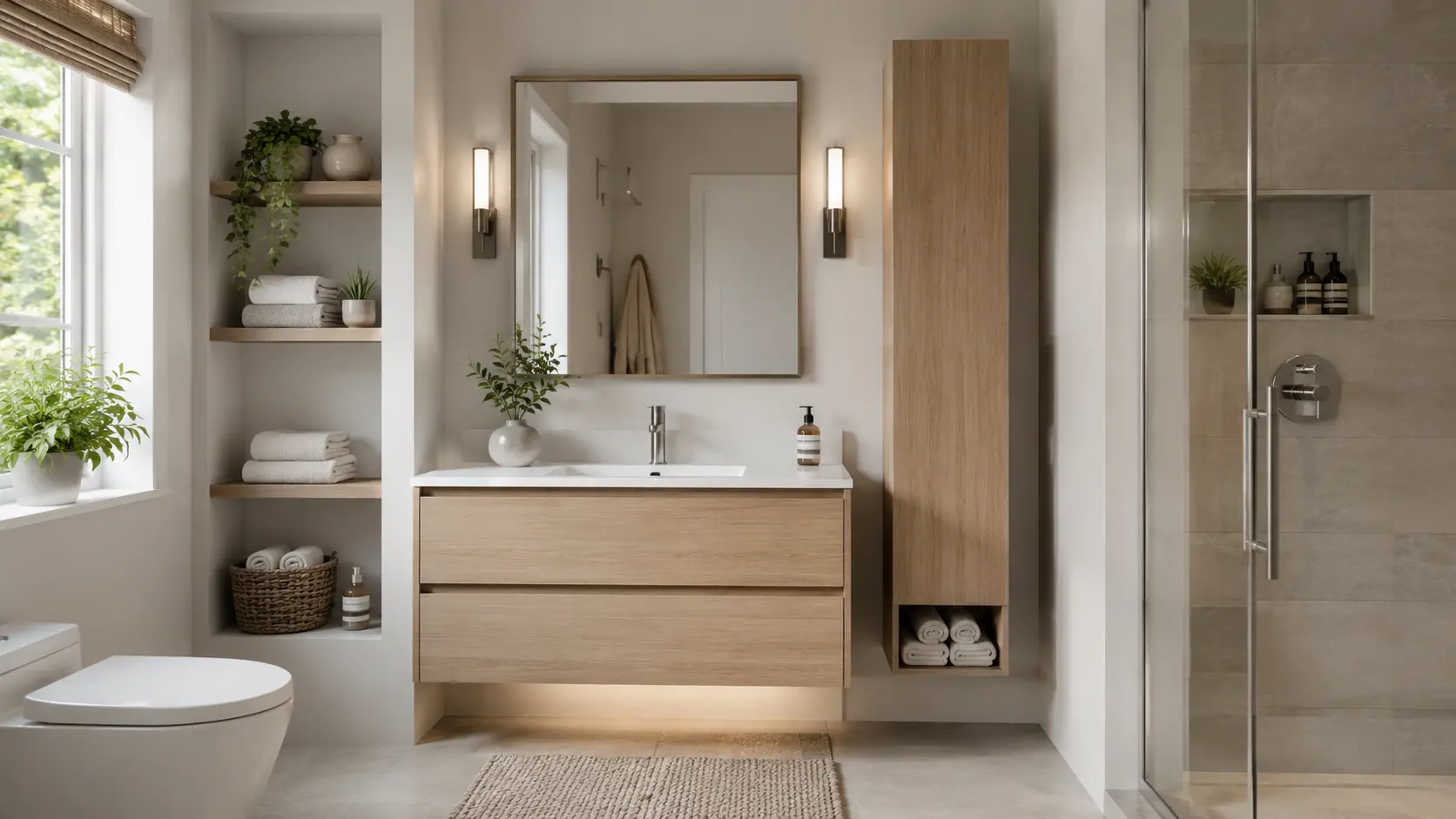
The bathroom cabinets that work best in bathrooms with limited wall space are floating
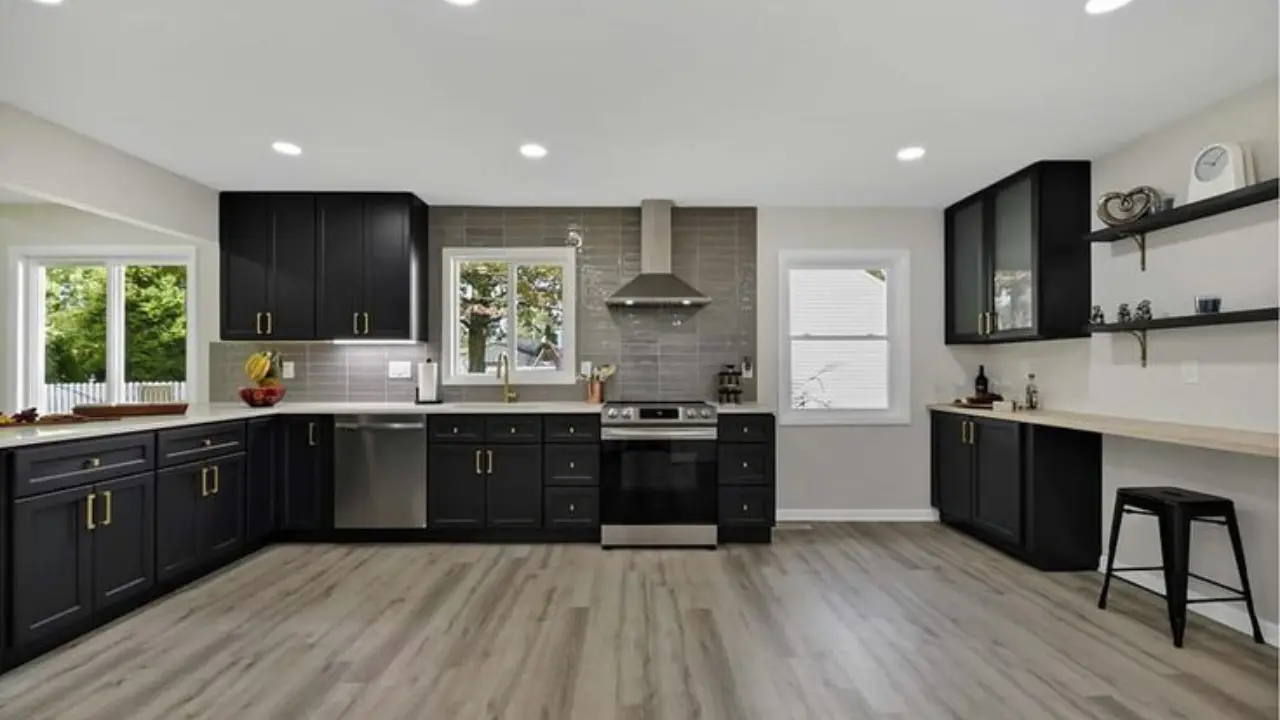
Cabinets and flooring are like the two main instruments in a kitchen design. One
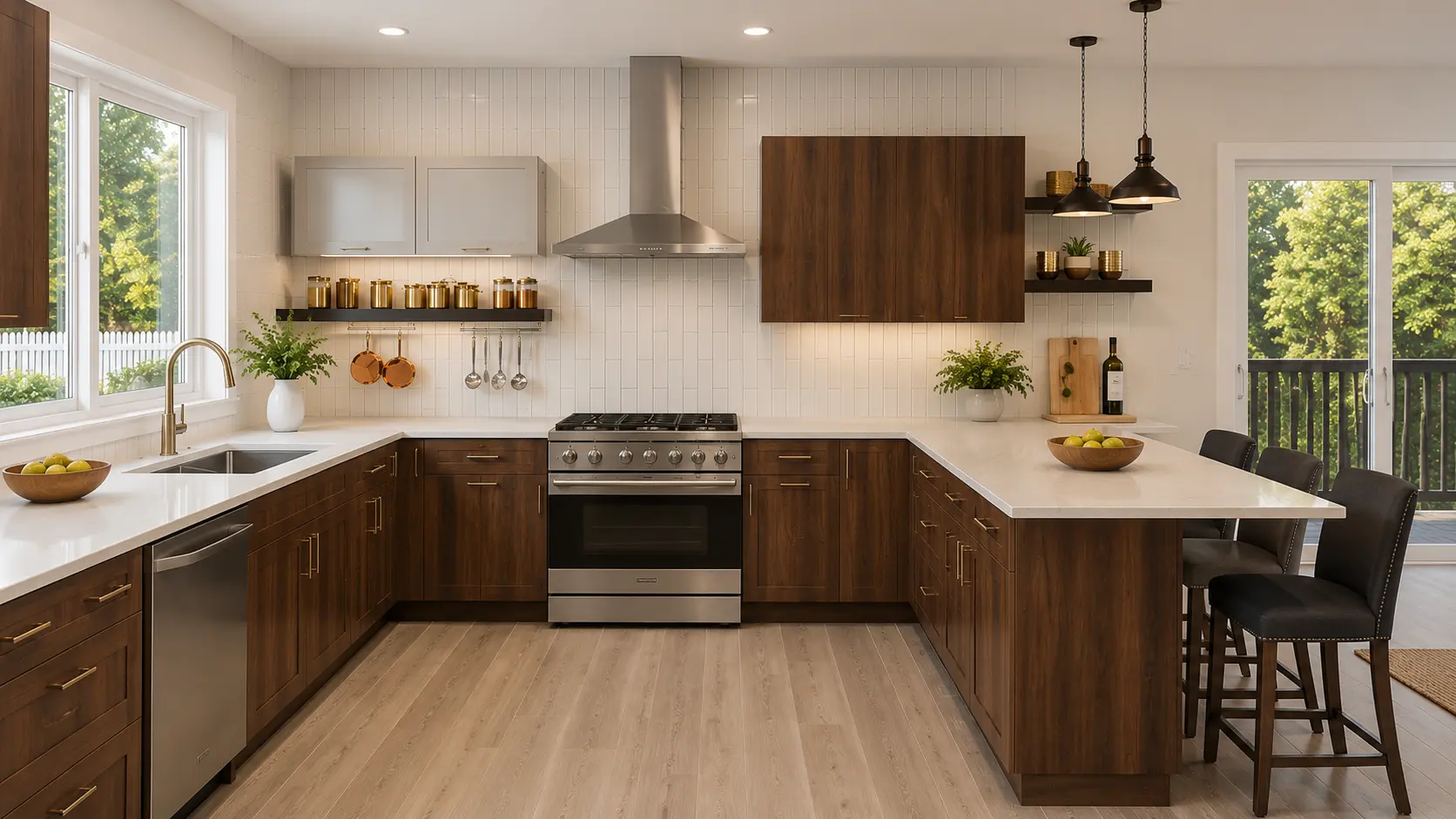
A kitchen used by one person can be simple to plan. One cook moves
Your dream kitchen shouldn’t wait. We partner with leading financing providers to make your project more affordable. Split your purchase into manageable monthly payments that fit your budget, so you can start your renovation now.
Receive a custom pricing offer based on your project scope.
Get access to specialized account management.