Walk into any kitchen and open the pantry. What do you usually see? Neatly arranged jars and labeled containers or a chaotic mix of forgotten items hiding in the back? Pantry efficiency is not just about how much space you have. It is about how intelligently that space is used.
Cabinet design plays a central role in this equation. The structure, layout, and internal configuration of cabinets determine whether your pantry supports your daily routine or slows it down. A well-designed cabinet system acts like a silent assistant. It keeps everything visible, accessible, and easy to manage.
Modern kitchens are busy environments. Meals are prepared quickly, groceries are stored in bulk, and space is often limited. Inefficient storage leads to wasted time, forgotten items, and even food spoilage.
Think about it. If you cannot see what you have, you are more likely to buy duplicates. If reaching an item requires moving five others, you will avoid using that space altogether. Efficiency is about reducing friction in everyday tasks. It also supports better meal planning and reduces unnecessary stress during busy routines.
Ready-to-assemble cabinets have gained attention because of their practical design and adaptability. Among them, White Shaker cabinets stand out for their clean lines and functional simplicity.
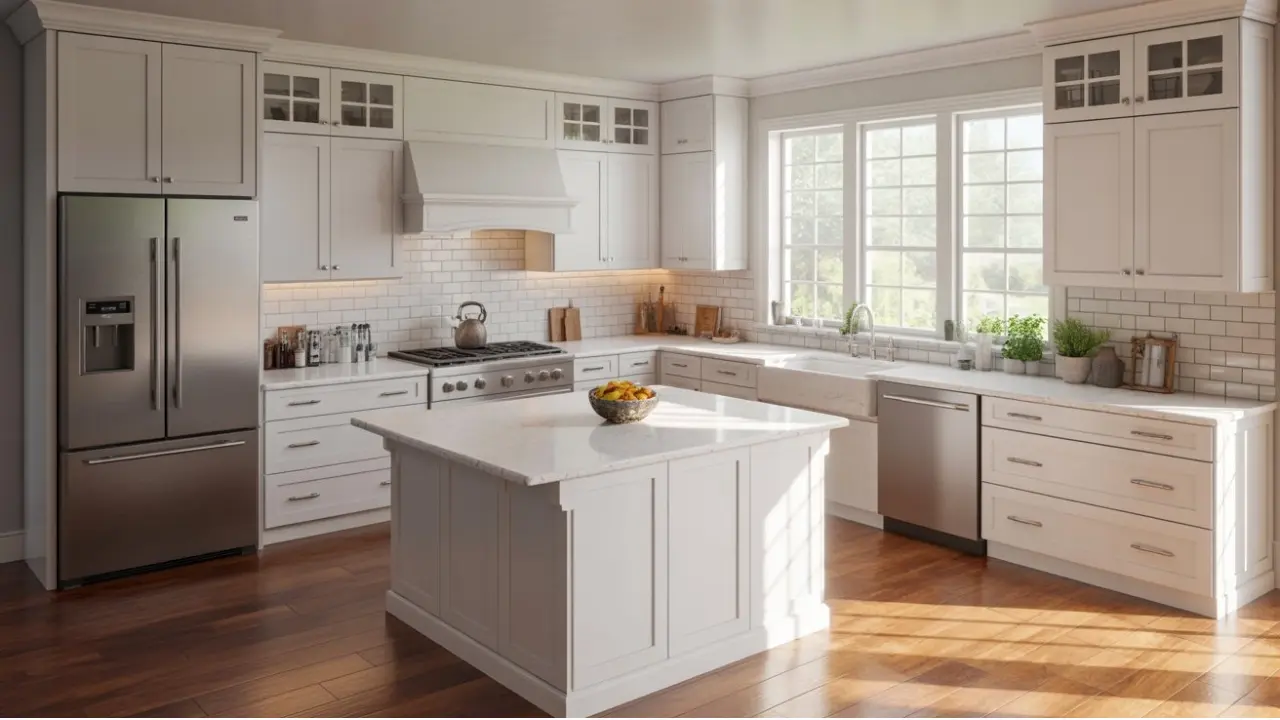
White Shaker cabinets are defined by their flat-panel doors and minimal detailing. This design is not just about appearance. It creates a structure that supports organized storage. The uniform construction also allows for better alignment of shelves and drawers, improving overall usability.
The straightforward design eliminates unnecessary elements that could interfere with usability. It focuses on clean surfaces, easy access, and adaptable interiors. This makes it easier to customize pantry layouts according to specific needs. The simplicity also ensures that the cabinets remain timeless and easy to integrate with evolving kitchen styles.
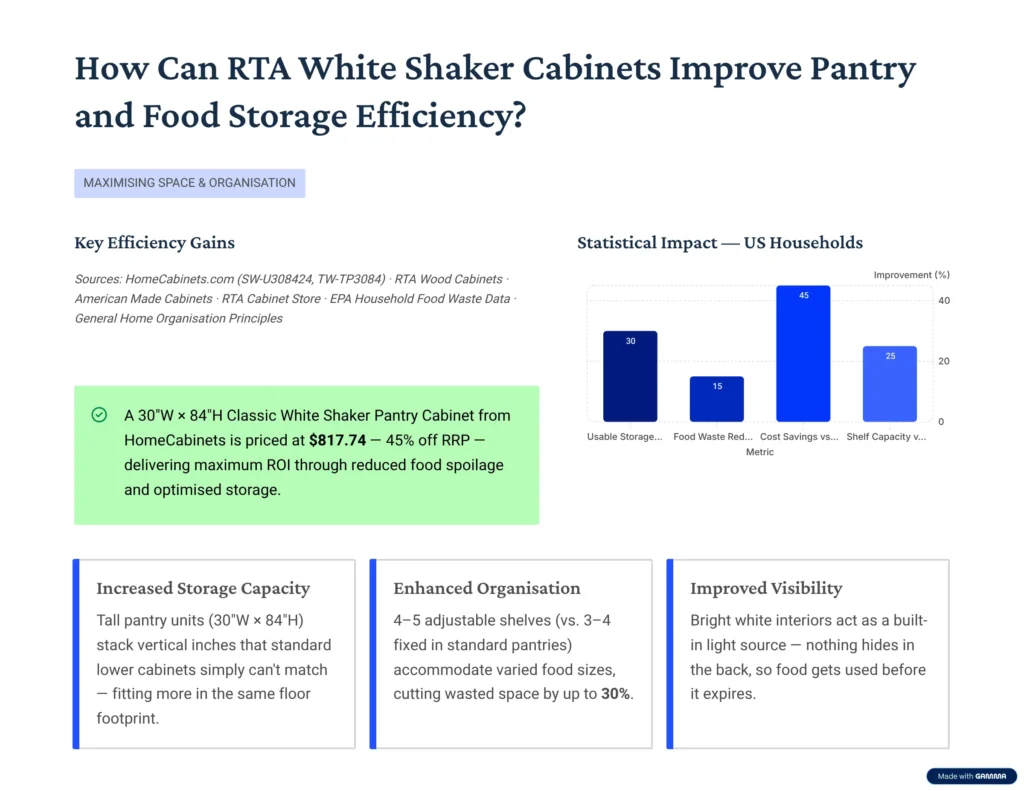
One of the most overlooked aspects of pantry design is vertical space. Many cabinets leave unused gaps above shelves. RTA White Shaker cabinets often allow for flexible configurations that extend storage upward.
Using vertical space effectively means more room for storing dry goods, containers, and bulk items without increasing the cabinet footprint. It also allows for better categorization by stacking items in clearly defined zones.
Accessibility is just as important as storage capacity. Deep shelves can become black holes where items disappear. Proper cabinet design ensures that everything remains within reach.
This is where thoughtful spacing and adjustable shelving come into play. They allow users to tailor the interior layout based on the size and type of stored items. Improved accessibility also reduces the time spent searching for items during daily use.
The light color of White Shaker cabinets creates a sense of openness. It makes the interior of the pantry feel less crowded and more organized.
When you open a cabinet and see a bright, clean background, it becomes easier to identify items quickly. This reduces the time spent searching and improves overall efficiency. It also encourages better organization habits over time.
Lighting plays a subtle but powerful role in pantry usability. White surfaces reflect light, making even dimly lit cabinets appear brighter.
In White Shaker Cabinets Cleveland, this characteristic becomes especially useful in deeper pantry sections where natural light may not reach easily. Better visibility helps prevent items from being forgotten or overlooked.
Adjustable shelves are one of the most valuable features in pantry cabinets. They allow you to modify the interior layout as your storage needs change.
For example, taller shelves can accommodate cereal boxes, while shorter ones are ideal for canned goods. This flexibility prevents wasted space and supports long-term usability as storage needs evolve.
Fixed shelves provide stability, but they lack adaptability. Adjustable shelves, on the other hand, offer customization but require proper installation to maintain balance.
A combination of both can create a balanced storage system that supports different types of items. This approach ensures both strength and flexibility within the same cabinet structure.
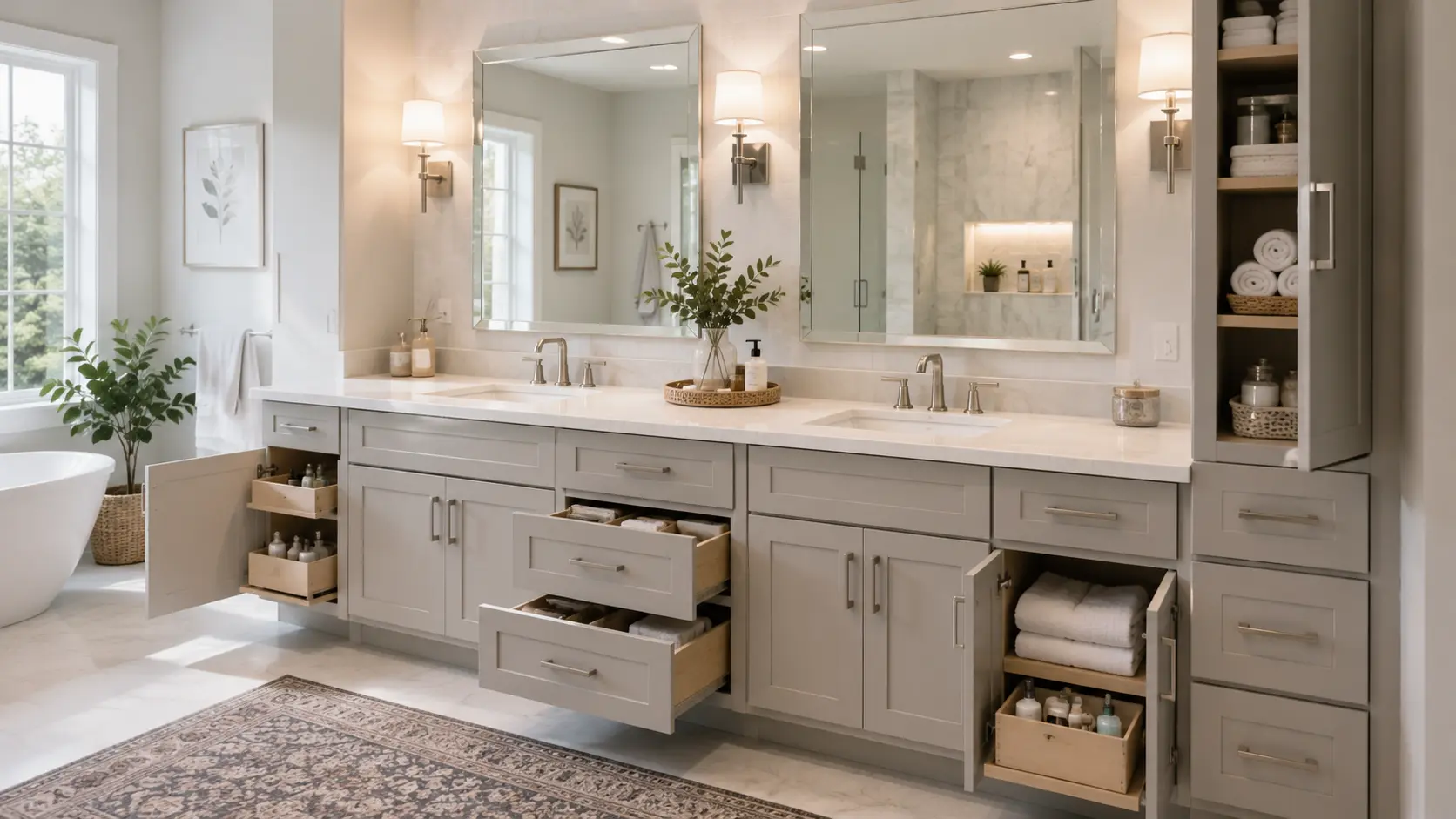
Pull-out drawers transform the way you interact with pantry storage. Instead of reaching into the back, you bring the contents toward you.
This simple shift improves visibility and reduces the effort required to access items. It also minimizes the chances of items being forgotten in the back.
Deep drawers are particularly useful for storing bulk items like bags of rice or flour. They keep heavy items contained and easy to access.
However, they should be used thoughtfully to avoid overloading and maintain smooth operation. Proper organization within deep drawers ensures that items remain easy to locate.
Narrow spaces are often wasted in traditional pantry designs. Slim pull-out units make use of these gaps by providing vertical storage for smaller items.
These units are ideal for spices, sauces, and other frequently used ingredients. They also help keep smaller items organized and easily accessible.
Corner cabinets can be challenging due to their shape. Rotating shelves or pull-out systems can make these areas more accessible.
Without proper design, corner spaces often become storage dead zones. Optimizing these areas significantly increases overall pantry capacity.
Soft-close hardware enhances usability by preventing abrupt movements. It protects both the cabinet structure and stored items.
In a pantry setting, this feature reduces noise and ensures a smoother experience. It also helps maintain the longevity of the cabinet components.
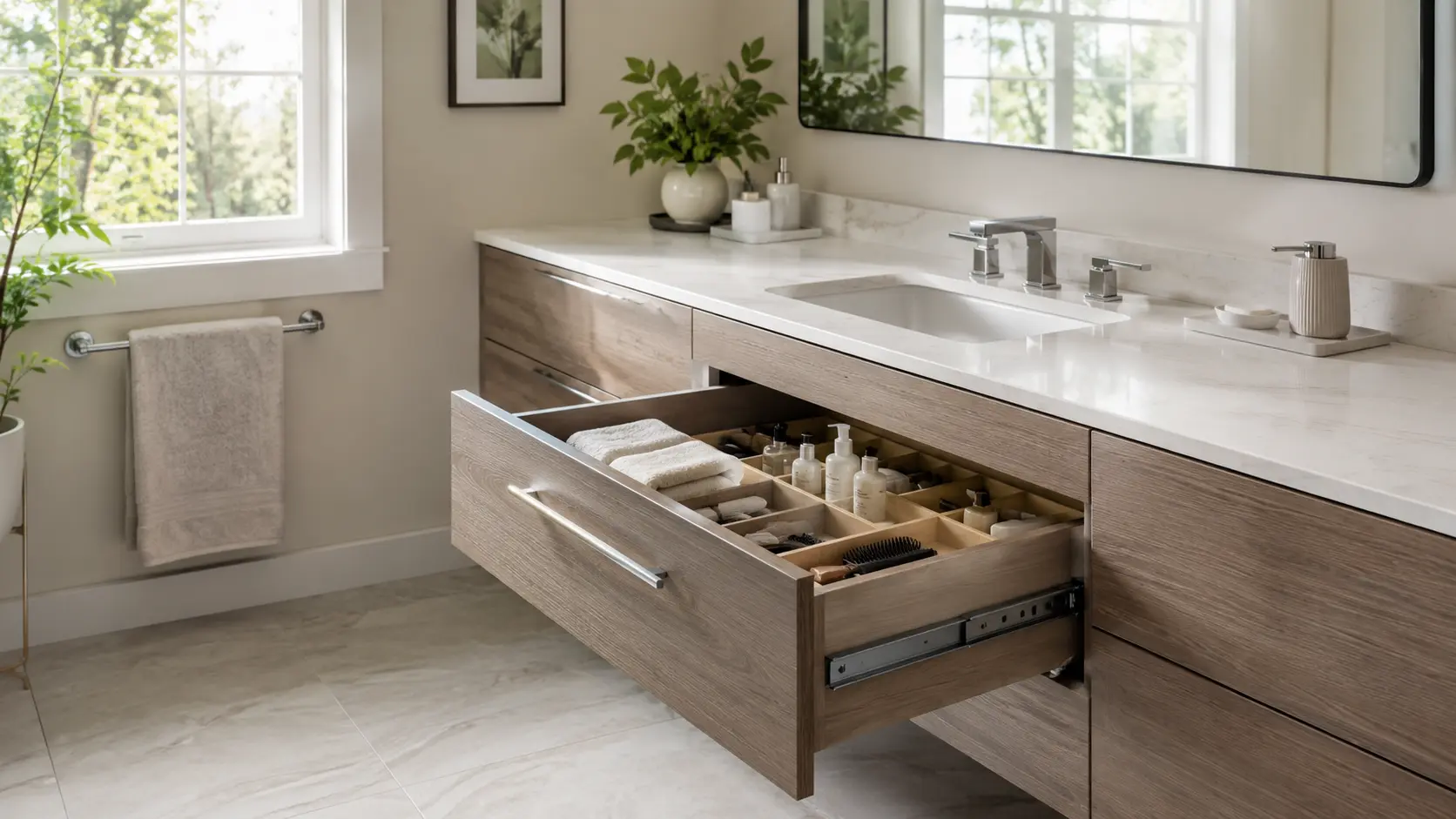
Full-extension slides allow drawers to open completely. This ensures that no space is hidden or difficult to reach.
It is a small detail that makes a significant difference in daily use. Full visibility improves organization and reduces wasted space.
Pantry cabinets must withstand constant use and occasional spills. Materials should resist wear and maintain their structure over time.
White Shaker cabinets typically use finishes that are designed to handle these conditions effectively. Durable materials ensure long-term reliability.
Food storage areas require regular cleaning. Smooth surfaces make this process easier and more efficient.
A cabinet that is easy to clean supports better hygiene and long-term usability. It also helps maintain the visual appeal of the pantry.
Zoning involves dividing the pantry into sections based on item type. For example, snacks in one area, baking supplies in another.
Cabinet design can support this approach by providing dedicated compartments and adjustable spaces. Clear zoning improves organization and reduces clutter.
An efficient pantry aligns with how you use your kitchen. Frequently used items should be within easy reach, while less common items can be stored higher or deeper.
An efficient pantry is not just about storage capacity but how seamlessly it fits into your daily kitchen routine. The way cabinets are structured directly impacts how easily you can move between tasks, access ingredients, and maintain organization. Understanding how cabinet design influences overall kitchen workflow and day-to-day functionality provides a broader perspective on why thoughtful pantry layouts make such a noticeable difference in everyday use.
This reduces unnecessary movement and streamlines daily tasks. A well-organized workflow saves time and effort.
Overcrowding is one of the most common issues. It occurs when storage space is not used effectively.
Proper cabinet design helps distribute items evenly and prevents clutter. Organized storage reduces stress and improves usability.
Items that are difficult to reach often go unused. This leads to waste and inefficiency.
Accessible storage ensures that every item has a purpose and a place. It also encourages consistent organization habits.
When analyzing design approaches associated with RTA Cabinets Cleveland, a clear pattern emerges. The emphasis is on combining simplicity with adaptability.
Cabinet systems are structured to support flexible storage solutions. This allows users to adjust layouts based on changing needs, which is essential for maintaining pantry efficiency over time. This adaptability ensures long-term value and practicality.
Regular cleaning keeps cabinets in good condition. It prevents buildup of dust, spills, and residue.
Simple practices like wiping surfaces and organizing items periodically can make a significant difference. Consistent maintenance helps extend cabinet lifespan.
As storage needs evolve, cabinet interiors may require adjustments. Shelves can be repositioned, and layouts can be updated.
This adaptability ensures that the pantry remains efficient even as household needs change. Small adjustments can lead to major improvements in functionality.
Improving pantry and food storage efficiency is not about adding more space. It is about using existing space wisely. RTA White Shaker cabinets Cleveland provides a framework that supports this goal through thoughtful design and practical features.
From adjustable shelving to pull-out drawers and efficient use of vertical space, every element contributes to a more organized and accessible pantry. In the context of White Shaker Cabinets Cleveland, these features become even more relevant as they address common challenges found in modern kitchens.
A well-designed pantry does more than store food. It simplifies daily routines, reduces waste, and creates a sense of order in one of the most active areas of the home.
Their light color reflects available light, making it easier to see stored items even in deeper shelves.
Yes, they allow customization based on item size, which helps maximize available space.
They improve accessibility by bringing items forward instead of requiring you to reach into the back.
Using rotating shelves or pull-out mechanisms can make corner areas more accessible and functional.
Hardware like soft-close hinges and full-extension slides enhances usability and ensures smooth operation over time.